Looking for downtown Manhattan character without the full SoHo frenzy? NoHo loft living stands out for exactly that reason. If you are weighing space, style, and long-term value, understanding how NoHo lofts are built and priced can help you make a smarter move. Let’s dive in.
Why NoHo lofts feel different
NoHo’s loft identity comes from its commercial past, not from a neighborhood planned around residential towers. The NoHo Historic District reflects New York’s commercial history from the early 1850s through the 1910s, when the area was a major retail and wholesale dry-goods center. That history still shapes how many buildings look and function today.
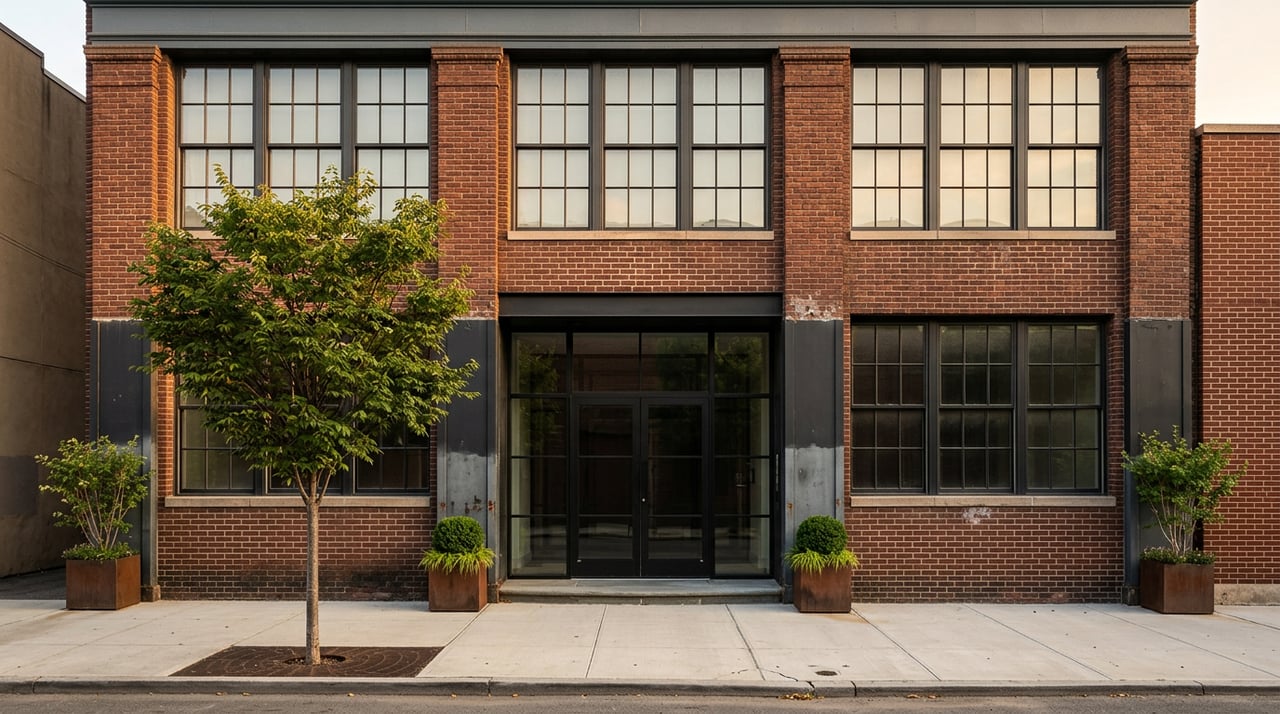
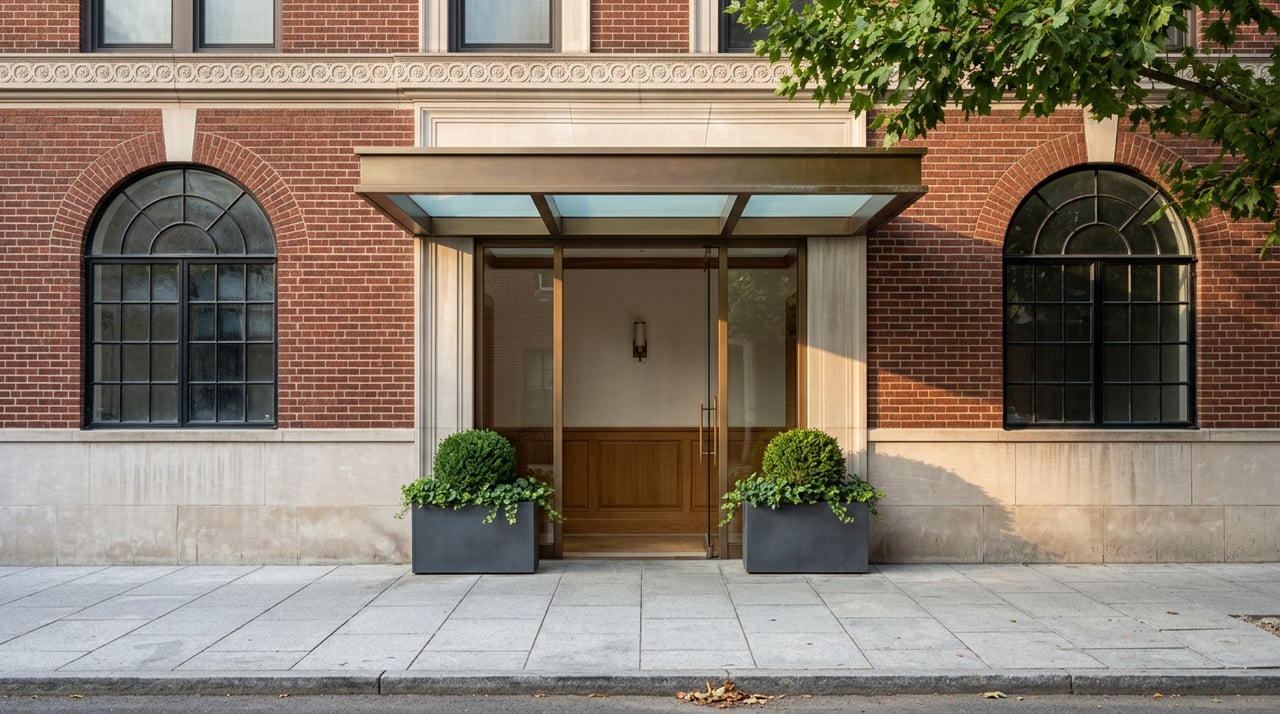
Many of the district’s store-and-loft buildings were built with cast-iron or stone storefront bases and upper stories made of marble, brick, cast iron, or terra cotta. Buildings in the district range from about 4 to 12 stories, and widths can vary from roughly 25 feet to more than 75 feet. That gives NoHo a streetscape with real texture and architectural variety.
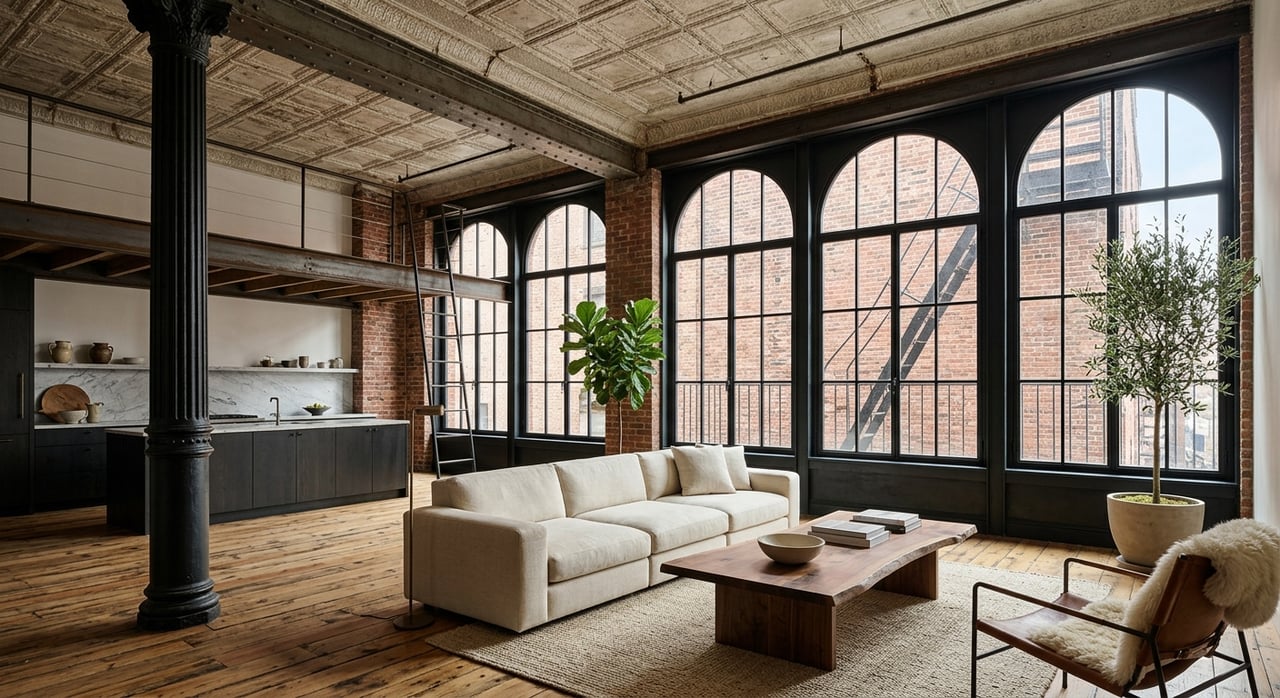
Inside, that commercial design history often supports the open, flexible feel buyers associate with loft living. Many older buildings were originally arranged for light-industrial or commercial use, with side-wall stairs, hoist-ways, and later lifts. In practical terms, that background often translates into larger, loft-like interiors, though each building and conversion can differ.
StreetEasy places NoHo north of Houston Street between SoHo, Greenwich Village, and the East Village. It also describes NoHo as more under-the-radar than SoHo’s more tourist-heavy streets. If you want downtown loft character with a somewhat quieter feel, that can be a meaningful advantage.
What layouts you can expect
NoHo is not a tower-heavy neighborhood with one standard product type. Current market data shows a mix of condos, co-ops, condops, and rentals, which fits the area’s boutique feel. That means your options may vary widely depending on the building, the conversion, and the ownership structure.
In many loft buildings, layout is a major part of the appeal. You may see broad living and dining areas, fewer hard divisions between rooms, and floor plans that prioritize volume over a more conventional bedroom-hallway arrangement. That kind of openness can feel dramatic, but it also means you should think carefully about how you actually want to live in the space.
Some buyers love the flexibility of a large open footprint. Others prefer more defined rooms for privacy, work-from-home needs, or storage. In NoHo, the right layout is often less about bedroom count alone and more about how the square footage is configured.
NoHo loft sizes and price points
StreetEasy’s July 5, 2026 snapshot showed 35 sales listings in NoHo with a median asking price of $3.995 million and a median size of 2,500 square feet. That is a notable combination. It suggests that space remains central to the neighborhood’s value, not just finishes or amenities.
The same StreetEasy snapshot showed 14 rental listings with a median base rent of $8,050. On the ownership side, median asking prices by property type rose quickly with bedroom count. Condos were listed at median asking prices of $1.385 million for studios, $2.7 million for one-bedrooms, and $4.295 million for two-bedrooms, while co-ops showed median prices of $3.495 million for two-bedrooms and $4.25 million for three-bedrooms.
Those figures highlight an important point about NoHo. This is a compact, premium market where size, building type, and layout can shift pricing fast. Two homes with similar square footage may still command very different numbers depending on building quality, light, condition, and how usable the plan feels day to day.
How NoHo compares with nearby neighborhoods
If you are deciding between NoHo and nearby downtown options, pricing context helps. Realtor.com reports a NoHo median listing price of $3,675,000, compared with $3,950,000 in SoHo and $1,225,000 in the East Village. Based on those figures, NoHo sits slightly below SoHo on listing price while still far above the East Village.
Price per square foot tells a similar story. Realtor.com reports NoHo at $2,086 per square foot versus $1,656 in the East Village. That puts NoHo at roughly a 25.97% premium on a listing-price-per-square-foot basis.
The neighborhood comparison is not just about numbers. StreetEasy describes SoHo as a place of former textile factories and open-floor-plan apartments, while the East Village is known more for prewar walk-ups and smaller apartments, with newer condos relatively scarce. NoHo lands between those profiles, offering loft-oriented housing and premium pricing without the same retail intensity often associated with SoHo.
Why architecture supports value
NoHo’s value story is closely tied to scarcity and preservation. Because the neighborhood includes a designated historic district, many of its defining exterior features are protected. That preserved architectural character can strengthen long-term buyer appeal, especially in a market where authentic loft stock is limited.
The New York City Landmarks Preservation Commission must approve most exterior alterations, reconstruction, demolition, and new construction affecting designated buildings. Ordinary exterior repairs and most interior work usually do not need LPC review unless the project affects the exterior or requires a Department of Buildings permit. For owners, that creates both protection and limits.
On one hand, landmark status helps preserve the visual quality that makes NoHo distinctive. On the other, it can reduce flexibility when you want to make major exterior changes. If resale value matters to you, both sides of that equation are worth understanding early.
The tradeoff between classic and newer loft product
In NoHo, buyers often weigh authentic loft character against modern convenience. Older conversions may offer the scale, materials, and proportions that define true downtown loft living. Newer product may offer more current layouts and features that feel easier to manage from day one.
Realtor.com notes that new construction often brings modern layouts and warranties, while existing homes may offer more negotiating room and a more established setting. In NoHo, that tradeoff can feel especially sharp because the neighborhood’s identity is so tied to older building stock. The best choice depends on whether you prioritize architectural character, turnkey function, or a balance of both.
What buyers should review closely
When you buy in a converted loft building, due diligence should go beyond the unit itself. The New York State Attorney General recommends reviewing the building’s physical condition along with the apartment. That includes the offering plan and major building components such as the facade, roof, flooring, elevators, HVAC, windows, electrical wiring, and plumbing.
In older conversions, building records can reveal issues before they affect value more visibly. Board minutes, financial reports, and violation history may point to upcoming work or deferred maintenance. That matters because expensive building repairs often influence buyer confidence and resale pricing.
The Attorney General also notes that in existing conversions, defects may be disclosed rather than corrected. In practical terms, that means you should not assume every issue will be fixed before closing. In a neighborhood like NoHo, where many buildings are older and highly individual, careful review is part of buying wisely.
What resale value often comes down to
In NoHo, value is rarely about one factor alone. Buyers tend to pay for a combination of location, architectural authenticity, limited inventory, usable square footage, and building condition. That mix helps explain why NoHo remains in the upper tier of downtown Manhattan pricing.
Realtor.com also reports that NoHo had 43 active listings, a median rental price of $6,030, and median days on market of 61, with homes selling for approximately asking price on average in May 2026. While data sources vary, that picture points to a premium market that remains active when a home is positioned well. Limited inventory can support pricing, but condition and presentation still matter.
If you are buying, the goal is to identify which features truly hold value over time. If you are selling, the goal is to understand how your building, layout, and condition compare within a small and highly specific market. In both cases, neighborhood-level detail matters.
If you want help evaluating a NoHo loft, comparing layouts, or pricing a sale with clear Manhattan market context, Miller Schackman can help you navigate the next step with practical, neighborhood-specific guidance.
FAQs
What makes NoHo loft apartments different from SoHo loft apartments?
- NoHo offers loft-oriented housing similar in character to downtown Manhattan loft living, but StreetEasy describes it as more under-the-radar and less tourist-heavy than SoHo.
What is the typical size of a NoHo loft for sale?
- StreetEasy’s July 5, 2026 snapshot showed a median for-sale size of 2,500 square feet in NoHo.
What is the median listing price in the NoHo housing market?
- Realtor.com reports a NoHo median listing price of $3,675,000, while StreetEasy’s early July 2026 snapshot showed a median asking price of $3.995 million for current sales listings.
Do NoHo historic district rules affect loft renovations?
- Yes. The Landmarks Preservation Commission must approve most exterior alterations, reconstruction, demolition, and new construction affecting designated buildings, while most interior work generally does not need LPC review unless it affects the exterior or requires a Department of Buildings permit.
What should buyers review before purchasing a NoHo loft conversion?
- The New York State Attorney General recommends reviewing the offering plan and focusing on the building’s facade, roof, flooring, elevators, HVAC, windows, electrical wiring, plumbing, financial reports, board minutes, and violation history.
Is NoHo more expensive than the East Village?
- Yes. Realtor.com reports a NoHo median listing price of $3,675,000 versus $1,225,000 in the East Village, and a listing price per square foot of $2,086 in NoHo versus $1,656 in the East Village.