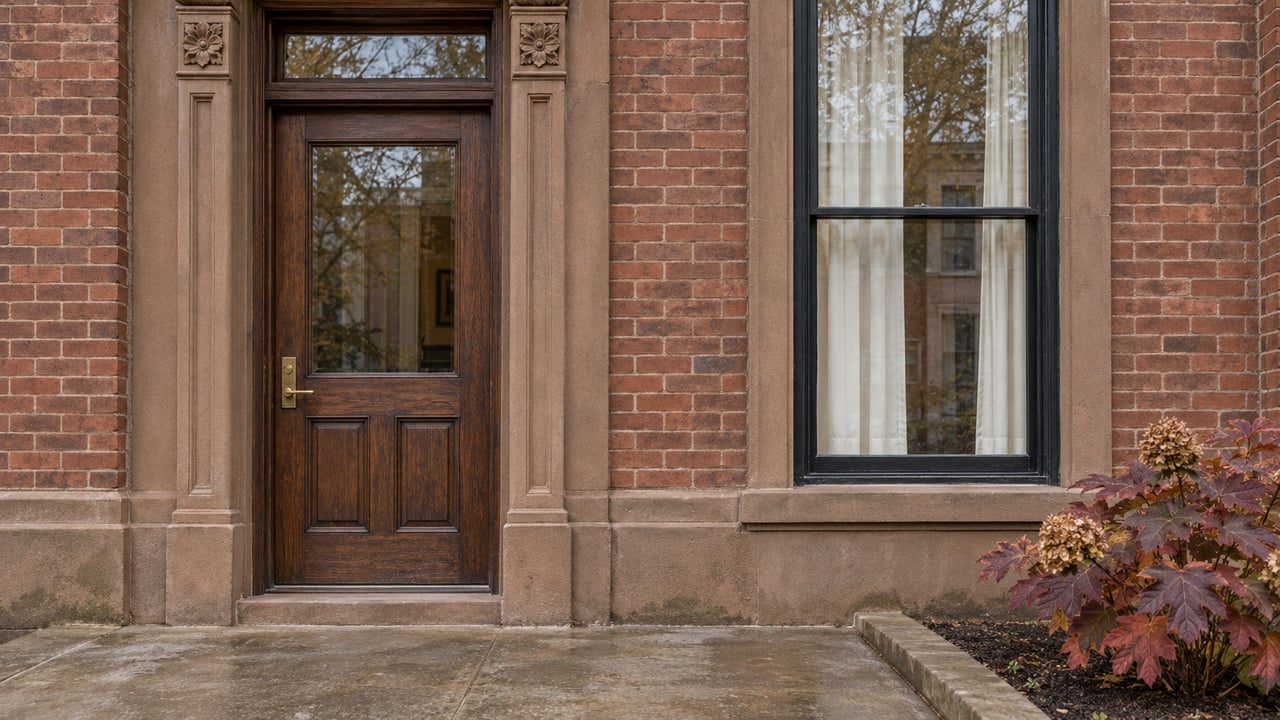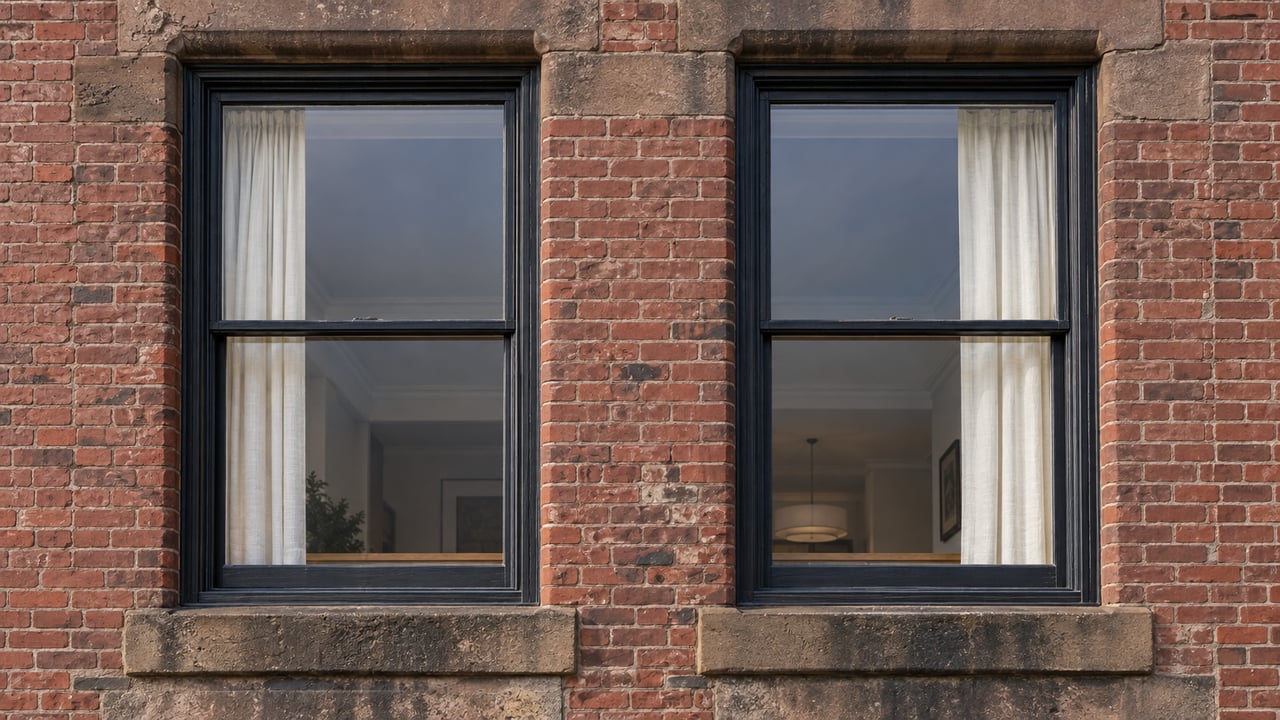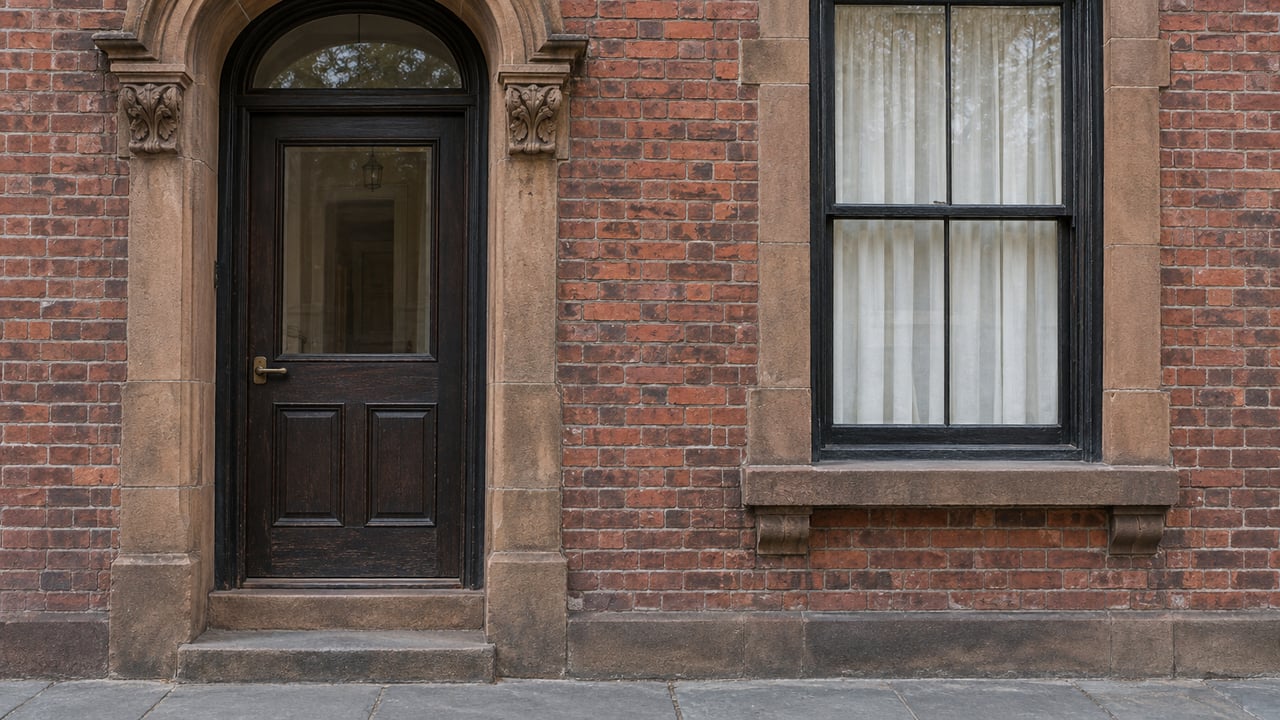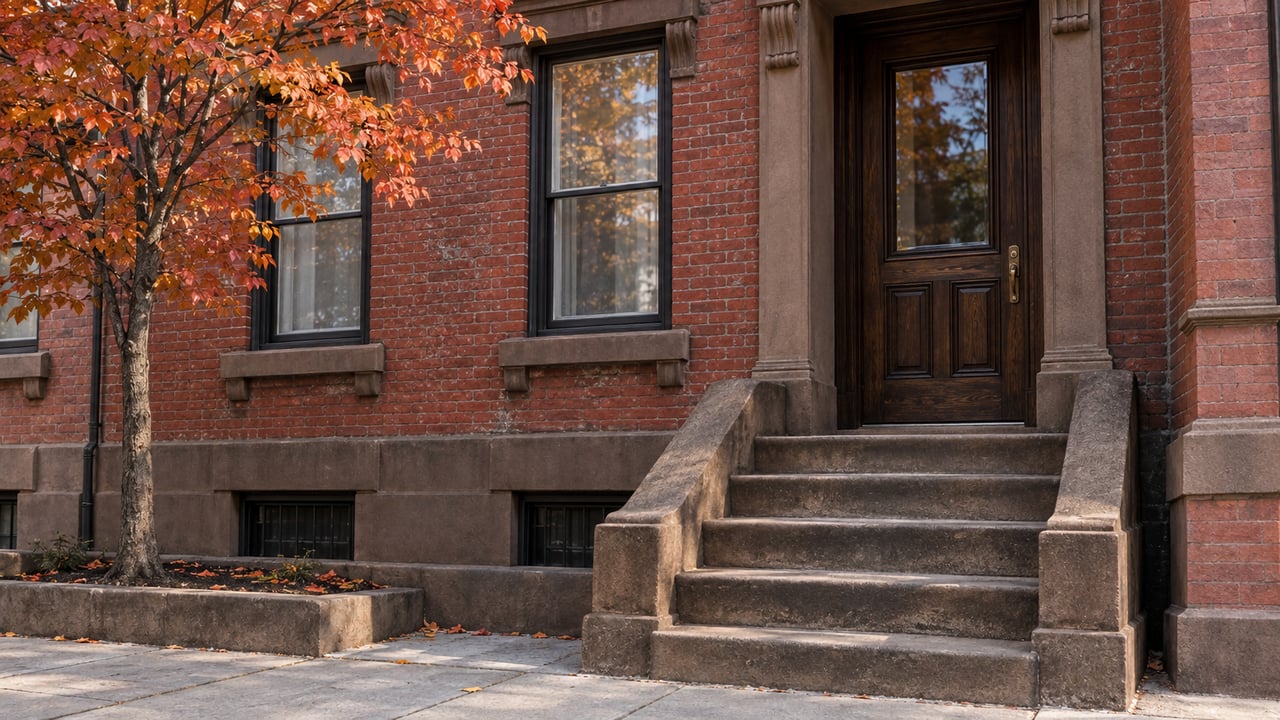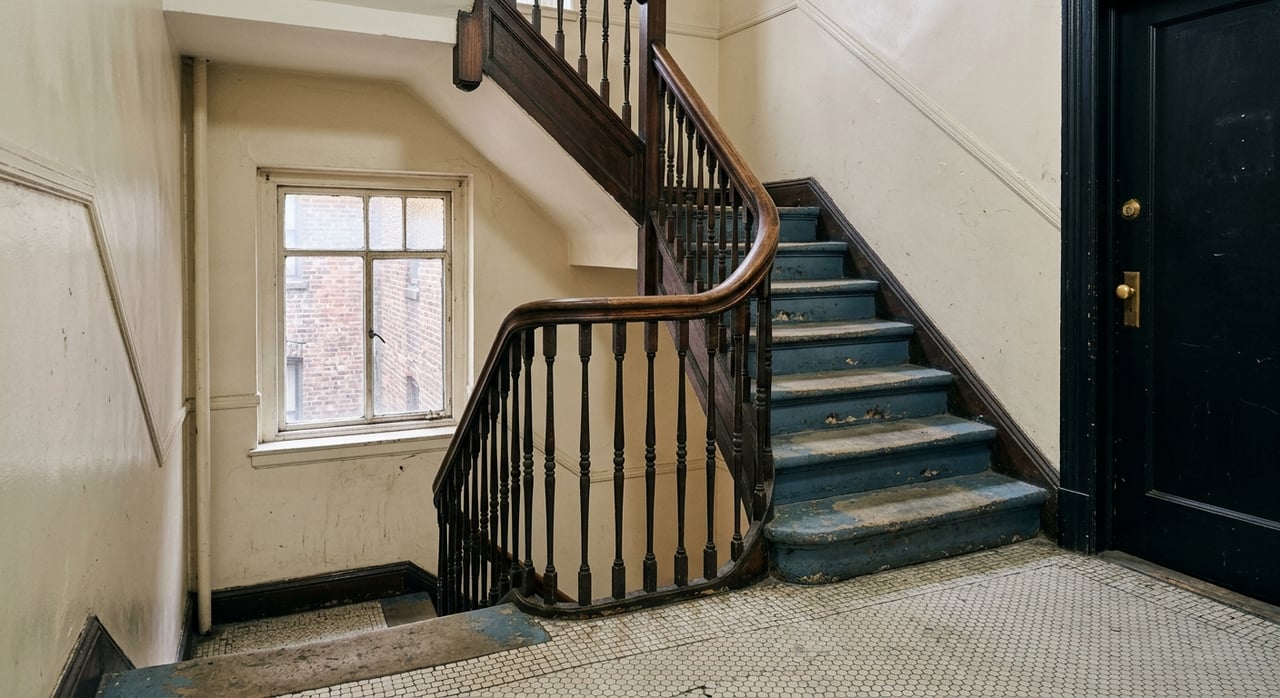
If you are thinking about buying a prewar co-op in the East Village, you are probably drawn to the same things that make this part of Manhattan so compelling: character, location, and the chance to own in a neighborhood where older buildings still define the streetscape. But charm alone is not enough in this market. When you buy in a prewar East Village building, you need to understand the building itself, the co-op structure, and the real monthly cost of ownership. Let’s dive in.
Why East Village Prewar Co-ops Stand Out
The East Village is an older, low-rise Manhattan market where prewar walk-ups still dominate the housing stock. City planning materials describe a neighborhood mix that includes narrow four-story walk-ups, tenement-style mid-rise buildings, and some taller buildings closer to the waterfront. StreetEasy also notes that older walk-up buildings dominate both sales and rentals, while newer condos are relatively limited.
That matters because your buying decision here is often about more than the apartment. In the East Village, building type, condition, and upkeep can be just as important as the block itself. A beautiful unit in a tired building can bring very different long-term costs than a simpler apartment in a well-run co-op.
Many of these buildings date to the 19th and early 20th centuries. As a result, apartments can feel smaller, layouts may reflect older design standards, and building systems may require more ongoing attention than you would expect in newer condo product.
What You Are Actually Buying in a Co-op
When you buy a co-op, you are not purchasing real property in the same way you would with a condo. According to the New York State Attorney General, you are buying shares in a corporation, and those shares are tied to a specific apartment through a proprietary lease.
That ownership structure shapes almost every part of the transaction. It affects your monthly payments, the documents you need to review, the board approval process, and the rules that govern repairs, subletting, and alterations.
In many co-ops, monthly maintenance covers building operations, maintenance, property taxes, and sometimes the building’s underlying mortgage. That is why the asking price is only part of the affordability picture. You need to look at the full carrying cost before deciding whether a specific apartment fits your budget.
Why Price Alone Can Mislead You
East Village co-ops can look like a more accessible entry point compared with condos, but that does not automatically make them the better value. Recent PropertyShark data reported a median sale price of $1.2 million for the neighborhood overall, with co-ops at a median of $764,000 and condos at a median of $1.5 million. The same snapshot showed both property types around $1,000 per square foot.
StreetEasy’s current neighborhood page shows a different median sale price, at $920,000. The numbers are not directly interchangeable because they use different methods and timeframes, but they point to the same general truth: building type, condition, and level of renovation matter a lot in the East Village.
For you, the practical takeaway is simple. Compare the full monthly cost, not just the purchase price. A lower-priced co-op may still come with higher maintenance, upcoming capital work, or a building condition profile that changes the math.
What to Inspect in a Prewar Building
The New York State Attorney General advises buyers to evaluate the physical condition of the entire building, not just the apartment. In an East Village prewar co-op, that advice is especially important because building-wide systems can drive future costs.
Key items to review include:
- Roof
- Facade
- Floors
- Windows
- Plumbing
- Electrical wiring
- Heating and air-conditioning systems
- Elevators, if the building has them
- Appliances
- Sub-soil conditions
The Attorney General also notes that existing buildings always need repairs, and some of the most expensive issues can involve facade defects, roof work, elevator repairs, plumbing upgrades, electrical upgrades, and boiler replacement. In a neighborhood full of older walk-ups and tenement-style buildings, those costs are not theoretical.
East Village Walk-Up Reality
In this neighborhood, many prewar co-ops are walk-ups. That can be part of the appeal, but it should also be part of your practical decision-making.
Think honestly about daily life in the apartment. How many flights are involved? How will groceries, strollers, furniture deliveries, or move-in day work? A fourth-floor walk-up may feel charming during a 20-minute showing and very different after six months of routine use.
Older East Village apartments can also have layouts that reflect an earlier era. Some units have been fully modernized, while others still show older floor plans with smaller rooms or less efficient flow. That does not make them bad options, but it does mean you should weigh function as much as aesthetics.
Questions to Ask Before You Make an Offer
A strong East Village co-op purchase starts with the right questions. You want to understand not just the apartment, but the building’s recent history and likely future needs.
Building condition questions
- When were the roof, facade, boiler, plumbing, electrical, and elevator systems last updated?
- Do recent board minutes or financial statements mention planned capital work, recurring repairs, or special assessments?
- Are there open violations or known defects in building records?
- Are critical building systems located in the basement or cellar?
Ownership and co-op process questions
- What does the board require in the purchase package?
- What level of post-closing liquidity does the board expect?
- What do the proprietary lease and by-laws say about repairs, alterations, and subletting?
- Has your attorney reviewed the offering plan and recent building documents before contract signing?
Health, safety, and exterior questions
- If the building was built before 1960, has it been tested for lead paint or does it have an exemption?
- Is the building landmarked or located in the East Village / Lower East Side Historic District?
- If so, what kinds of exterior changes may require Landmarks Preservation Commission review later?
Why Board Minutes Matter So Much
For resale co-ops, the most important details are not always obvious during a showing. The Attorney General recommends that buyers read board minutes, review the most recent financial report, and check building records for defects or violations.
That is good advice in any New York co-op, but it is especially valuable in older East Village buildings. Board minutes can reveal whether the building has been discussing recurring leaks, facade work, roof issues, plumbing problems, or major capital projects that may affect your future costs.
Financial statements help you see whether the co-op appears prepared for ongoing maintenance. Since many prewar buildings need regular repairs, a buyer who skips this step may miss important context that is not visible in the apartment itself.
Flood Risk Is an East Village-Specific Issue
Flood exposure is one of the biggest location-specific issues to ask about in this market. City planning documents note that parts of the East Village, Lower East Side, and Two Bridges area include many older multifamily buildings that may be vulnerable during a 1 percent annual chance storm.
This is especially relevant because older buildings often have mechanical and electrical systems below grade. If key systems are in a basement or cellar, they can be harder to protect from flood events.
Ask where the building’s critical systems are located and whether the property has done any flood-hardening work. This is particularly important for buildings in the eastern part of the neighborhood, where resiliency planning has been a major city focus.
Lead Paint and Historic Rules to Review
Lead paint is a serious due diligence item in prewar inventory. New York City banned residential lead paint in 1960, and city agencies note that buildings built before 1960 are generally presumed to have lead-based paint unless testing or an exemption shows otherwise.
That means you should ask about lead testing, past remediation, and any existing HPD exemption if you are considering an older co-op. This is a straightforward but important part of understanding the apartment and building condition.
Historic-district status can also affect your long-term plans. The Landmarks Preservation Commission regulates designated buildings, and official city maps include the East Village / Lower East Side Historic District. If you are hoping to change exterior windows or make other visible exterior alterations in the future, the approval process may be more involved.
How the Co-op Board Process Works
For many buyers, the co-op board process is the most unfamiliar part of buying in Manhattan. Board approval is usually financially focused, and each building sets its own requirements.
StreetEasy’s co-op guidance notes that many buildings request personal, professional, and financial documents such as tax returns, W-2s, pay stubs, account statements, reference letters, and lender commitment materials. The exact package will vary by building, so the building’s own application materials are what matter most.
The key is preparation. If you are buying an East Village co-op, you should expect a detailed review process and build enough time into your transaction timeline for document gathering, submission, and board review.
Boards must also comply with fair housing law. That means the conversation should stay focused on legitimate financial and building-related review, not personal preference.
A Smarter Way to Compare East Village Options
When you compare prewar co-ops in the East Village, look at each option through three lenses: building health, monthly cost, and daily livability. That framework can help you avoid overvaluing cosmetic finishes while missing bigger ownership risks.
A renovated apartment in an underfunded building may not be as strong a buy as a less polished unit in a co-op with better records and more predictable upkeep. Likewise, a lower purchase price may not feel like a bargain if maintenance is high and major building work is on the horizon.
This is where neighborhood-specific guidance matters. In the East Village, older walk-up inventory can offer real opportunity, but only if you evaluate the building with clear eyes.
If you want help comparing East Village co-ops, reviewing the tradeoffs between price and maintenance, or preparing for the board process, connect with Miller Schackman for practical, Manhattan-focused guidance.
FAQs
What makes an East Village prewar co-op different from a newer condo?
- An East Village prewar co-op is usually in an older walk-up or tenement-style building, and you are buying shares in a corporation rather than owning real property the way you would with a condo.
What should you inspect before buying a prewar co-op in the East Village?
- You should review the condition of the roof, facade, boiler, plumbing, electrical, windows, and other building systems, along with board minutes, financial reports, and any open violations.
Why do board minutes matter when buying an East Village co-op?
- Board minutes can reveal planned capital work, recurring repair issues, and other building concerns that may affect your future costs.
How do monthly maintenance fees work in a New York co-op?
- Monthly maintenance generally helps cover building operations, maintenance, property taxes, and sometimes the building’s underlying mortgage.
Why is flood risk important in the East Village co-op market?
- Parts of the East Village are vulnerable to flooding, and older buildings may have mechanical or electrical systems below grade, which can increase building-related risk.
What should you ask about lead paint in a prewar East Village building?
- If the building was built before 1960, ask whether it has been tested for lead paint, whether remediation has been done, and whether any exemption is on file.
Can historic-district rules affect an East Village co-op purchase?
- Yes. If a building is landmarked or located in a historic district, visible exterior changes may require review by the Landmarks Preservation Commission.