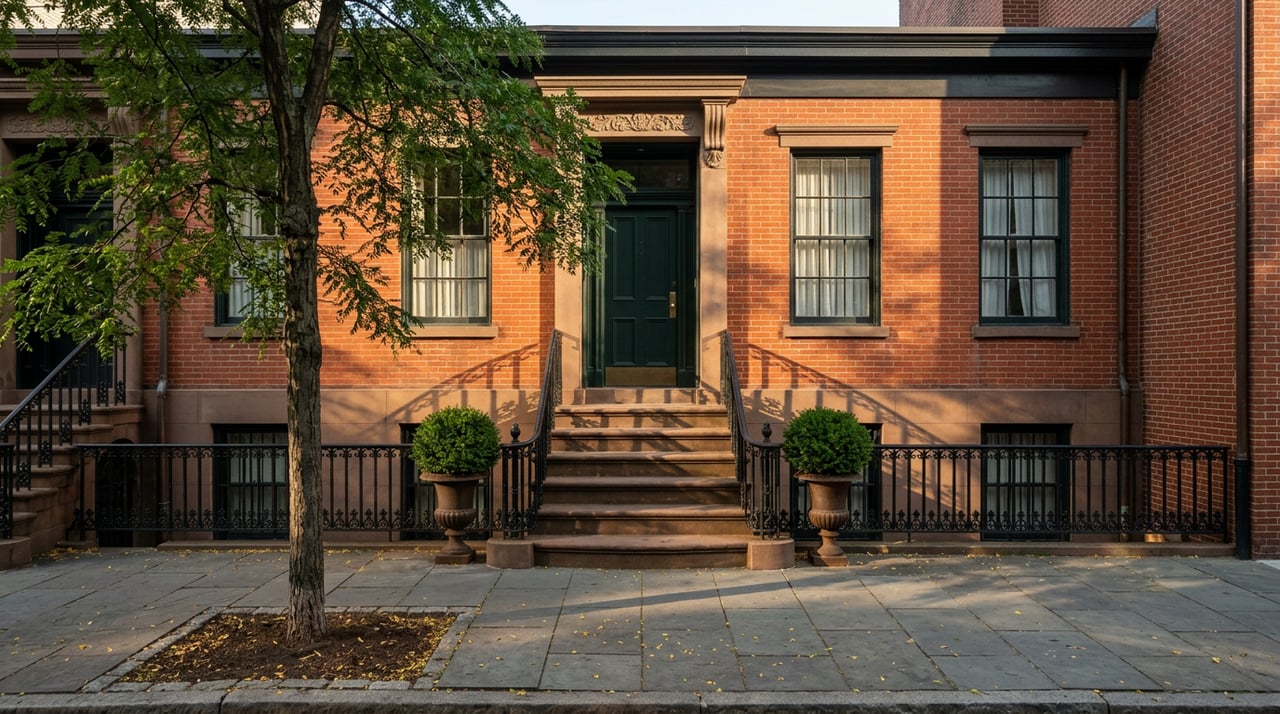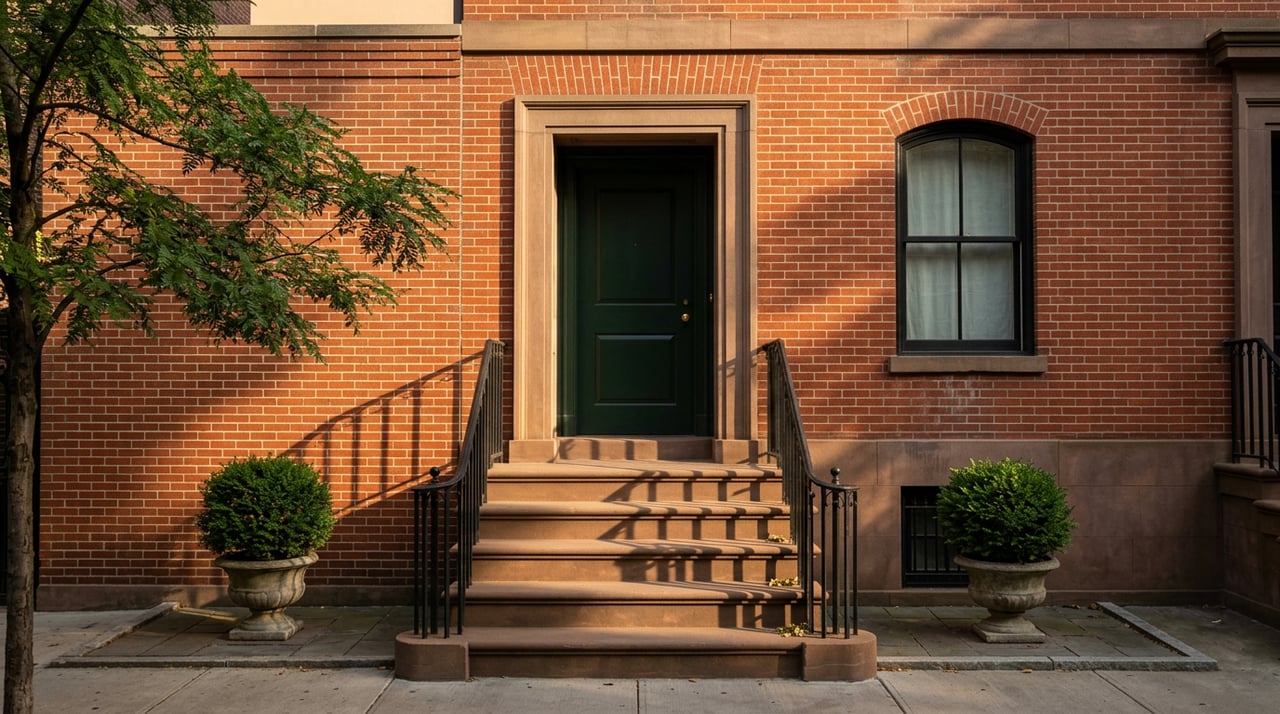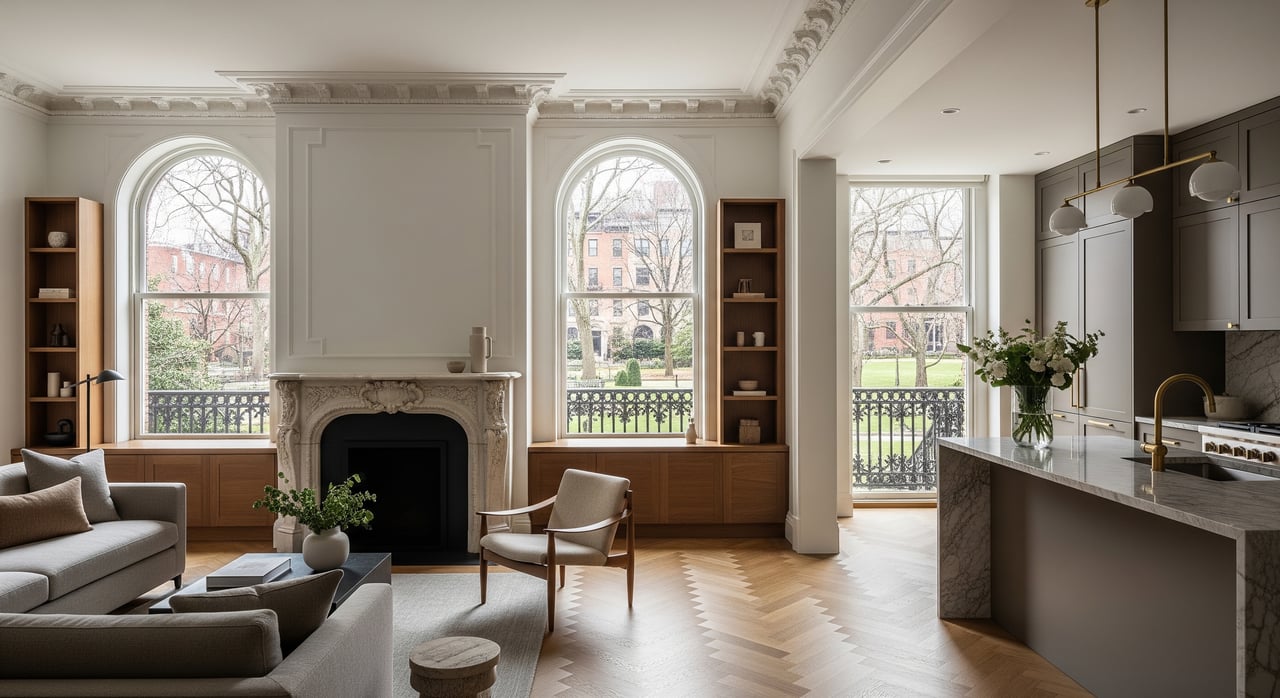
Comparing a co-op and a condo in Gramercy can feel like apples and oranges. You see similar square footage and beautiful tree-lined blocks, yet the rules, costs, and flexibility can be very different. If you want clarity before you make an offer, you’re in the right place. You’ll learn what you actually own, how the money flows, how boards work, and how Gramercy’s unique buildings and landmarks shape your decision. Let’s dive in.
Co-op vs condo basics
What you own
In a co-op, you buy shares in a corporation that owns the building and receive a proprietary lease for your apartment. Your ownership is through the co-op corporation. In a condo, you buy a deeded unit plus a fractional interest in the common areas. You own real property with a deed and have more direct control of the interior.
How monthly costs work
Co-op maintenance typically includes the building’s real estate taxes and some shared utilities, along with operating costs and any underlying building debt. Condo owners pay monthly common charges for building operations and pay their own real estate tax bill separately. When you compare options, look at the total carrying cost per month rather than just maintenance or common charges by themselves.
Costs and financing in Gramercy
Down payment expectations
Co-ops in Manhattan often require higher down payments. Many buildings expect 20 to 30 percent or more, and some well-known co-ops may require 35 to 50 percent depending on board policy and building financials. Condos can be more flexible, sometimes allowing 10 to 20 percent down. Always confirm the building’s minimum and your lender’s requirements before you tour.
Mortgage and underwriting
For co-ops, lenders underwrite both you and the building. They look at reserves, any underlying mortgage, and debt ratios, in addition to your income, assets, and credit. Condo financing is usually more straightforward because the lender’s collateral is a deeded unit, which can mean more loan product options and a smoother path to approval. Not all lenders are equal on co-ops, so choose one with specific NYC co-op experience.
Special assessments and reserves
Both co-ops and condos can levy special assessments to fund repairs or capital projects. Review the building’s reserves, audit, and history of assessments to understand potential future costs. In Gramercy’s older buildings, planned façade or systems work can be common, so digging into documents is worth your time.
Taxes and deductions
In a co-op, your maintenance includes a share of the building’s property taxes. In a condo, you pay taxes directly. Mortgage interest is typically deductible subject to current tax laws, but co-op owners may also be able to deduct a portion of maintenance related to taxes and interest. Tax treatment can be complex, so consult a tax professional for your specific situation.
Rules, boards, and approvals
Board control and approvals
Co-ops are governed by a board of directors elected by shareholders. Boards set house rules, approve buyers, and can influence renovations and subletting. Approval may require a full board package, references, and an interview. Condos are governed by an association and board too, but approvals tend to be more administrative and closings are typically faster.
Subletting and rentals
Many co-ops limit rentals by duration and frequency, and some require a period of owner-occupancy before you can sublet. Boards may also approve tenants. Condos are usually more permissive for rentals, though some buildings set minimum lease terms or other restrictions. If you want the option to rent, a condo often provides more flexibility.
Renovations and permits
Co-ops often require detailed renovation applications, contractor approvals, and strict work hours. Condos also have rules, but because you own the unit, interior projects can be simpler to approve. In both cases, you must follow building rules and city codes. Plan for longer timelines if your project involves structural work or exterior elements.
Gramercy factors to weigh
Building stock and layouts
Gramercy is known for pre-war co-ops in brownstones and mid-century buildings, along with boutique condo conversions and a handful of newer developments. Pre-war co-ops often feature high ceilings and larger rooms. Newer condos typically command a premium for modern finishes and ownership flexibility. Inventory is limited in this small, high-demand neighborhood, which can shape both pricing and negotiation.
Historic districts and timelines
Parts of Gramercy fall within landmark or historic districts. Exterior changes and certain renovations can require Landmarks Preservation Commission review. That can affect project scope, cost, and timing for both co-ops and condos, especially for façade work. Factor this in if you plan upgrades that touch windows, exterior walls, or visible elements.
Gramercy Park access
Some buildings on or near Gramercy Park offer keyed park access as an amenity. Whether the building is a co-op or condo, this feature can influence desirability and pricing. If park access matters to you, confirm the rules and any fees tied to the keys or membership.
Process and timing
Pre-approval and team
Start with lender pre-approval and an agent who works across both co-ops and condos in Gramercy. A team with building-level knowledge can flag board culture, sublet rules, and financial red flags early. If you are focused on co-ops, confirm your lender has a dedicated co-op lending desk and experience with board timelines.
Board package vs condo review
Co-op purchases require a full board package that includes financials, tax returns, letters of employment, references, and a broker summary. After submission, you may have an interview and a board vote. Condos usually have a more standardized application, with fewer subjective steps and faster approvals. Timelines vary by building, so ask for recent averages before you set a closing date.
Closing mechanics and costs
Co-op transfers involve corporate shares and a proprietary lease rather than a deed. Expect co-op specific forms and building transfer fees. Condo closings are deed transfers, which means mortgage recording tax and title charges apply when financing. If you are buying in a new or recent conversion, review the offering plan for project details and any transfer or sponsor-related costs.
Lifestyle and resale
Community culture
Co-ops often create a stronger sense of shared governance and routine. Rules can foster a quieter, more consistent living environment. Condos may feel more mixed, with a blend of long-term residents and some investors depending on the building’s policies. Visit at different times of day and ask about the resident profile to see what fits your lifestyle.
Flexibility and liquidity
If you value mobility, plan to relocate, or want the option to rent your home, a condo usually provides more flexibility. Condos also appeal to broader buyer pools, including investors and purchasers who prefer lower down payments. Co-op resale values can be excellent in well-run buildings, but strict boards or high down payment requirements can narrow your buyer pool.
Decision checklist
Use this checklist when you compare specific Gramercy listings. Ask for documents and verify each item.
- Ownership and documents
- Confirm if the property is a co-op or condo and request the correct package.
- Review audited financials, current budget, and any reserve study.
- Check for flip taxes and the history of special assessments.
- Financing and affordability
- Confirm minimum down payment with the agent, building, and your lender.
- Ask whether the co-op has an underlying mortgage or if the condo has planned fee increases.
- Use a lender with NYC co-op and condo experience.
- Occupancy, rental, and sublet rules
- For co-ops: Verify the sublet policy, any owner-occupancy requirement, and approvals for tenants.
- For condos: Ask about rental terms, minimum lease duration, and any short-term rental restrictions.
- Board culture and approvals
- Request recent board minutes and ask about interview practices and approval timelines.
- Look for signs of disputes, litigation, or planned capital projects.
- Renovation and landmark considerations
- Confirm building renovation policies, contractor rules, and work hours.
- Ask if the building or block sits in a landmark district that could affect permits or timing.
- Location specifics
- If keyed Gramercy Park access is offered, ask about rules and fees.
- Confirm commute options near the building. Depending on the address, the 4/5/6, N/Q/R/W, and L lines may be nearby.
- Lifestyle and long-term plans
- If you need rental flexibility or may relocate, favor condos.
- If you prefer a structured, communal setting, co-ops may be a better fit.
- Resale and liquidity
- Request recent sales for similar units in the building over the last 12 to 24 months.
- Ask who typically buys here and how the building’s rules influence demand.
Next steps
Choosing between a co-op and a condo in Gramercy comes down to your priorities. If you want flexibility, faster approvals, and broader resale appeal, a condo may be right. If you value strong building oversight, classic layouts, and a community-driven culture, a co-op could be a great match. The best path is to line up financing, study building documents, and compare total monthly costs across a few strong options.
If you want a clear plan tailored to your timeline and budget, our Manhattan-focused team is ready to help you compare buildings, spot red flags, and negotiate the right terms. Start the conversation with Miller Schackman.
FAQs
Financing in Gramercy: Which is easier, co-op or condo?
- Condos are generally easier to finance with more loan options, while co-ops require both lender and board approval and often higher down payments.
Renting out your Gramercy home: Co-op or condo?
- Condos typically offer more rental flexibility; many co-ops restrict subletting or require a minimum period of owner-occupancy before you can rent.
Pricing in Gramercy: Are condos always more expensive?
- Condos often carry a per-square-foot premium, but well-run, well-located co-ops with desirable layouts can be competitively priced.
Board influence: How much does it matter in a co-op?
- It matters a lot. The board approves buyers, sets rules, and shapes daily living, which can affect your experience and eventual resale.
Renovations in Gramercy: Does ownership type change the process?
- Yes. Condos typically allow more direct control over interior projects, while co-ops require additional approvals from building management and the board.