Thinking about a new-construction condo on the Lower East Side but not sure what to expect? You are not alone. Between shifting list prices, amenity-heavy buildings, and unique NYC closing costs, the details can feel overwhelming. This guide breaks down pricing context, what you get in new LES buildings, how to compare monthly costs, and what to watch for before you sign. Let’s dive in.
Lower East Side snapshot
Where the LES sits today
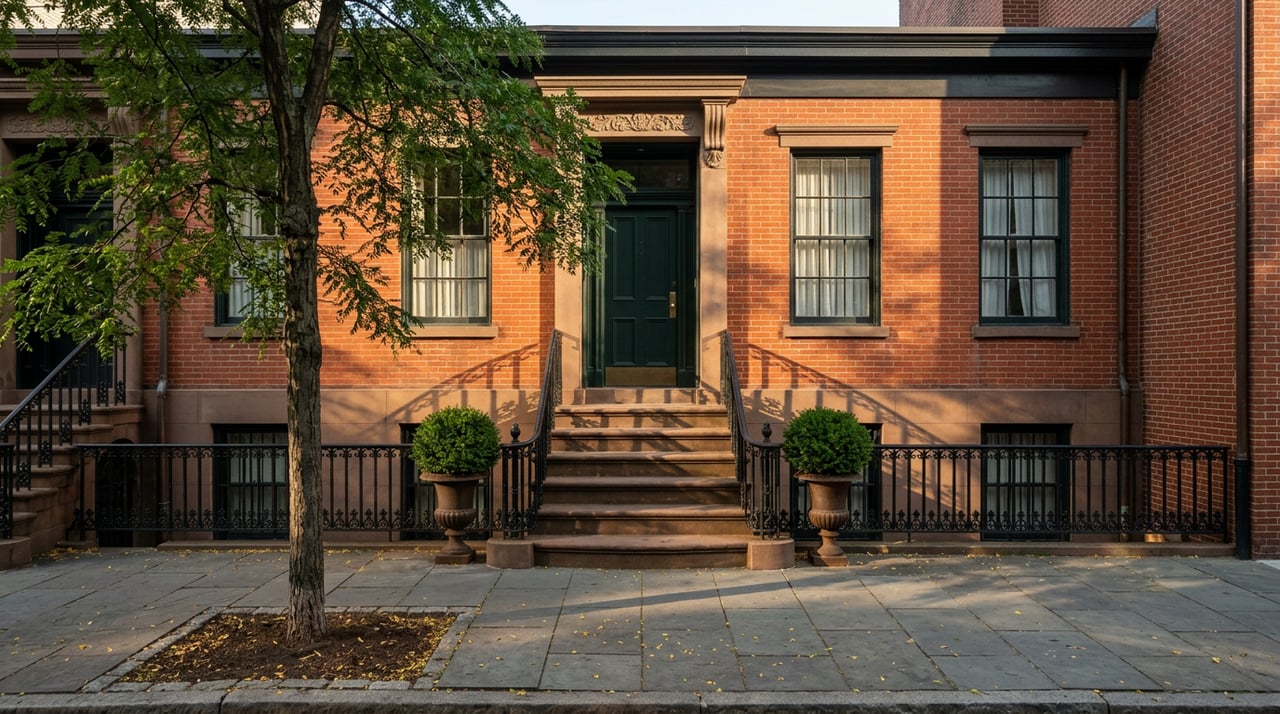
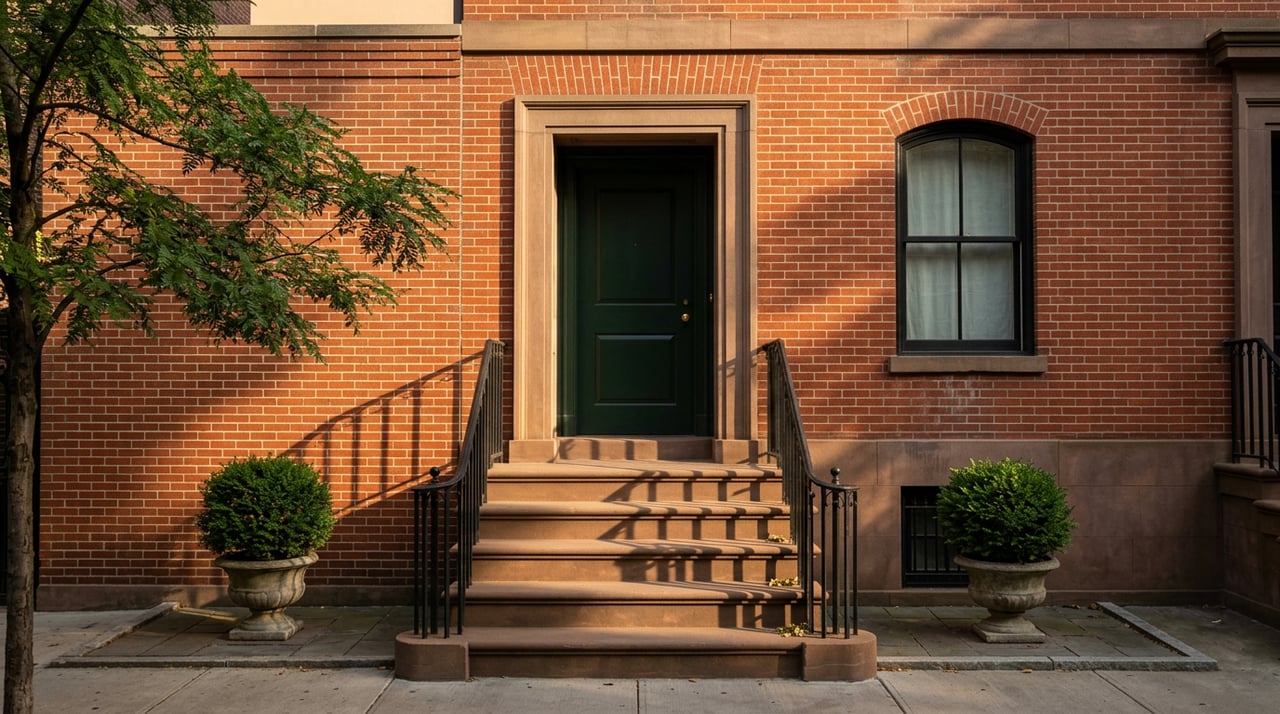
The Lower East Side is a historic Manhattan neighborhood, generally from Canal to Houston between the Bowery and the East River. It has evolved from a working-class enclave to a mix of prewar walk-ups, older co-ops, and a growing slate of new condo developments. You will find boutique mid-rises on quieter blocks and larger glass towers closer to the river. For a quick history and boundaries overview, see the neighborhood’s background on the Lower East Side page.
Current pricing at a glance
Recent reporting puts LES condo pricing in the mid-to-upper range for downtown Manhattan, but typically below SoHo. A late 2025 snapshot cited a median condo sale price around $1.57M for the LES, with neighborhood numbers moving as large projects sell out. CityRealty also notes the outsized impact a single major building can have on local stats, which is relevant on the LES. For context on how big projects can skew medians, review CityRealty’s commentary on neighborhood metrics and supply effects here.
What new LES condos offer
Building types and amenities
New LES condos tend to be either boutique mid-rises or larger, amenity-forward towers. Common features include staffed lobbies, fitness centers, roof decks, package rooms, bike storage, resident lounges, and children’s playrooms. Larger or luxury projects may add dedicated workspaces, private dining rooms, screening rooms, pet amenities, and sometimes on-site parking. Amenity scope is a major driver of monthly common charges. See typical amenity packages and incentive trends in CityRealty’s new development coverage here.
Layouts and finishes you will see
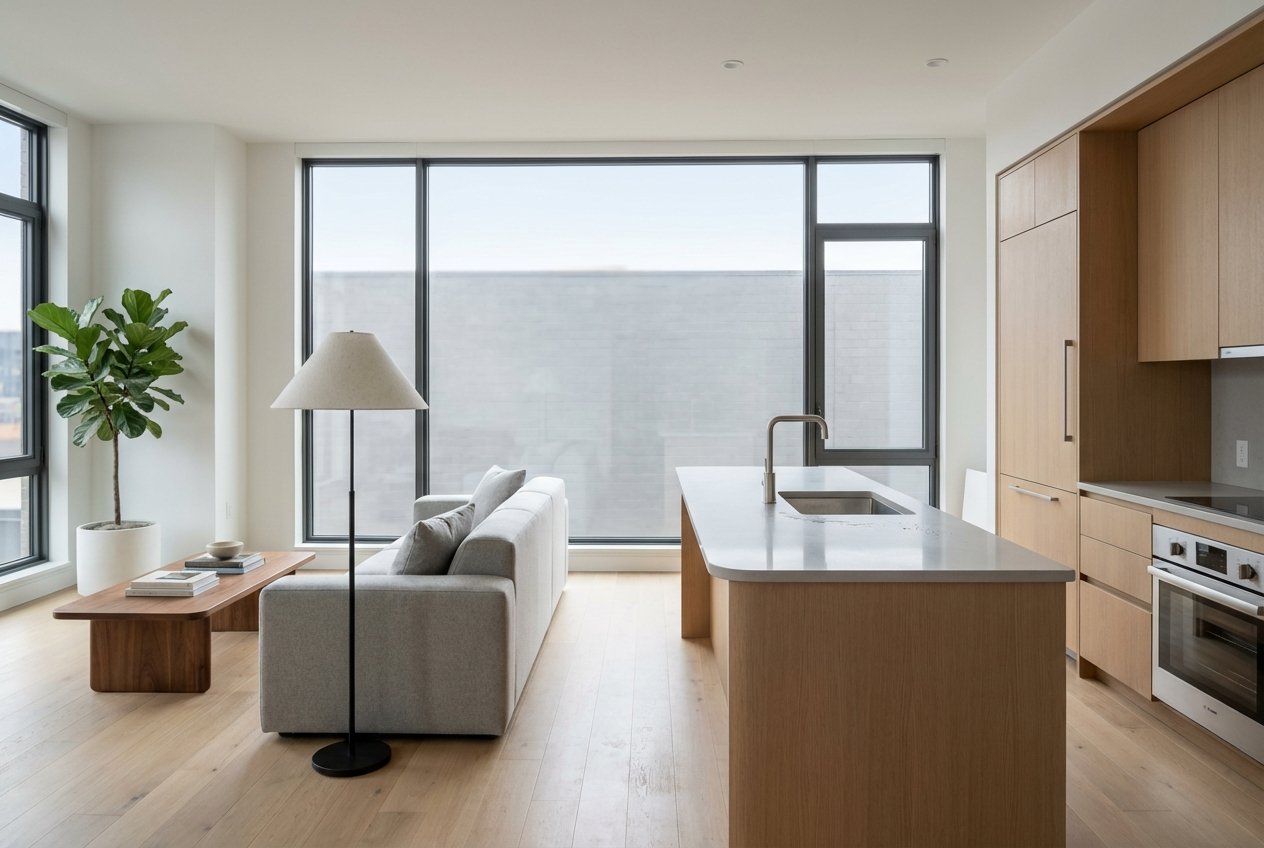
Expect open-plan living with integrated kitchens, in-unit laundry, and more glass than older walk-ups. The unit mix typically spans studios, alcove studios, one-beds, one-beds with dens, two-beds, and select larger lines. Many floor plans trade some square footage for flexible den space. When comparing options, look past bedroom counts and focus on usable square footage, core room dimensions, and closet storage. CityRealty’s new development roundups offer useful snapshots of common finishes and layouts across buildings like these.
Monthly costs and how to compare
Condo vs co-op structure
With a condo, you pay two separate items each month: common charges for building operations and amenities, and your own property tax bill to the city. With a co-op, you pay a single maintenance fee that usually includes the building’s property tax and sometimes a share of a building mortgage. To make an apples-to-apples comparison, add condo common charges plus your estimated monthly taxes, then compare that total to a co-op’s maintenance. For a clear primer on structural differences, see this overview from Investopedia.
What drives common charges
Common charges in Manhattan vary by building size, staffing, and whether utilities like heat and hot water are included. Research often cites an average range near $1 to $3 per square foot in Manhattan buildings. At $1.50 per square foot, a 700-square-foot condo would have about $1,050 per month in common charges. Expect annual adjustments and occasional special assessments. For more on how and why these fees vary, see Brick Underground’s explainer.
Quick example: one-bedroom math
Take a 750-square-foot LES one-bedroom with a common charge of $1.50 per square foot.
- Common charges: 750 x $1.50 = $1,125 per month
- Property taxes: add your building’s actual monthly amount
- All-in condo monthly: common charges + monthly taxes
If monthly taxes were $800, the total would be $1,925 per month. Your actual tax bill may be higher or lower, so confirm it from the building’s offering plan or the unit’s tax record before you finalize a budget.
Closing costs to expect
NYC closing costs can be material, especially above $1M. Budget for:
- State mansion tax when the purchase price is $1,000,000 or above, with higher brackets at higher prices.
- Title insurance and title-related fees.
- Mortgage recording tax if financing.
- Attorney fees and standard condo closing costs.
- Transfer taxes paid by the seller in many transactions, with some buyer-side exceptions depending on deal structure.
These items have specific formulas and brackets that change by price point. Review a summary and discuss exact figures with your attorney early in the process using this CityRealty tax guide.
Financing, approvals, and rules
Easier approvals than co-ops
Condos usually have simpler approvals than co-ops and are generally friendlier to investors and non-US buyers. Co-ops often require larger down payments, a formal application, and an interview, plus stricter sublet policies. Condos typically rely on a right of first refusal rather than a full board approval. For a straightforward comparison, see Investopedia’s guide.
New-development specifics to confirm
When buying in a new development, request and review the offering plan and any riders. Look closely at common charge line items, reserve fund levels, assignment rules, sponsor rights, and any unfinished amenity spaces. Ask for timelines and a completion schedule for all common areas. Sponsor-held units and incentives can affect short-term resale dynamics and appraisals. CityRealty’s new-development analyses highlight how these factors play into buyer value here.
Resale potential on the LES
Several factors tend to drive stronger resale results:
- Location and nearby retail and transit access. The LES trades on walkability and dining, so streetscape and proximity to services matter. See the neighborhood’s context on Wikipedia.
- Floor plan efficiency and clear bedroom counts, which help buyers understand livability and value.
- Developer and building reputation, plus completion of promised amenities at delivery.
- All-in monthly costs. High common charges relative to price per square foot can limit demand. Get oriented on fee ranges with Brick Underground’s overview.
- Supply pipeline. The sellout of a large project can temporarily distort comps and headline medians. CityRealty has called out how big closings can skew LES stats here.
LES vs nearby markets in brief
If you are cross-shopping, the LES and East Village often track closely in pricing, while SoHo typically sits much higher. The exact gap depends on whether you compare median sale price, median asking price, or price per square foot. Always confirm which metric you are using and the date range. Because large projects can shift medians, look at building-level comps and price per square foot for similar product before deciding what is “market.”
Buyer due-diligence checklist
Use this quick list to stay organized:
- Confirm the data metric. Note whether you are seeing median asking price, median sale price, or price per square foot, and the time frame.
- Read the offering plan and riders for new developments. Review common charges, reserves, sponsor rights, assignment rules, and the amenity completion schedule. CityRealty’s new-development coverage is a helpful primer here.
- Compare all-in monthly costs. Add condo common charges to the monthly tax bill. Use the $1 to $3 per square foot guidepost for common charges as a starting point, then verify the actual schedule in building documents. See this explainer for typical ranges and drivers.
- Verify amenity completion and timelines. Ask the listing agent for a written schedule if spaces are not yet delivered.
- Check recent LES resale comps and how concentrated they are in a single building. A surge of closings in one tower can skew neighborhood medians. CityRealty’s market context highlights this point here.
- Budget closing costs early. Review mansion tax brackets, mortgage recording tax, title insurance, and attorney fees with your counsel using this CityRealty tax guide.
Work with a local advisor
A successful LES condo purchase starts with a clear plan and the right data. You get both with a Manhattan-focused team that knows the buildings, the offering plans, and the comps. If you are weighing LES vs other downtown options, want a second opinion on monthly costs, or need help navigating a sponsor sale, we are here to help. Connect with Miller Schackman for neighborhood guidance, tailored searches, and hands-on negotiation through closing.
FAQs
What should I know about LES condo prices right now?
- LES pricing sits mid-to-upper among downtown submarkets, with a late 2025 median condo sale price near $1.57M cited in market coverage. Big project closings can move these numbers, so check building-level comps and see CityRealty’s context on skewed medians here.
How do condo common charges compare to co-op maintenance?
- With condos you pay common charges plus your own property taxes, while co-op maintenance usually includes building taxes. To compare, add condo common charges and monthly taxes, then line that up against the co-op’s maintenance. See Investopedia’s comparison.
What amenities are typical in new LES condos?
- Expect doorman service, gyms, roof decks, package rooms, lounges, and playrooms, with larger projects adding workspaces and screening rooms. Amenity scope influences monthly fees. CityRealty summarizes common amenity packages here.
Which closing costs should I budget for on an NYC condo purchase?
- Plan for state mansion tax at or above $1M, title insurance, mortgage recording tax if financing, attorney fees, and standard condo charges. Review details with counsel using this NYC real estate tax guide.
What should I check in a new-development offering plan before I buy?
- Confirm common charge schedules, reserve funds, sponsor rights, assignment rules, and completion timelines for all amenities. Ask the listing agent for written delivery schedules. CityRealty’s new-development coverage outlines what to watch here.