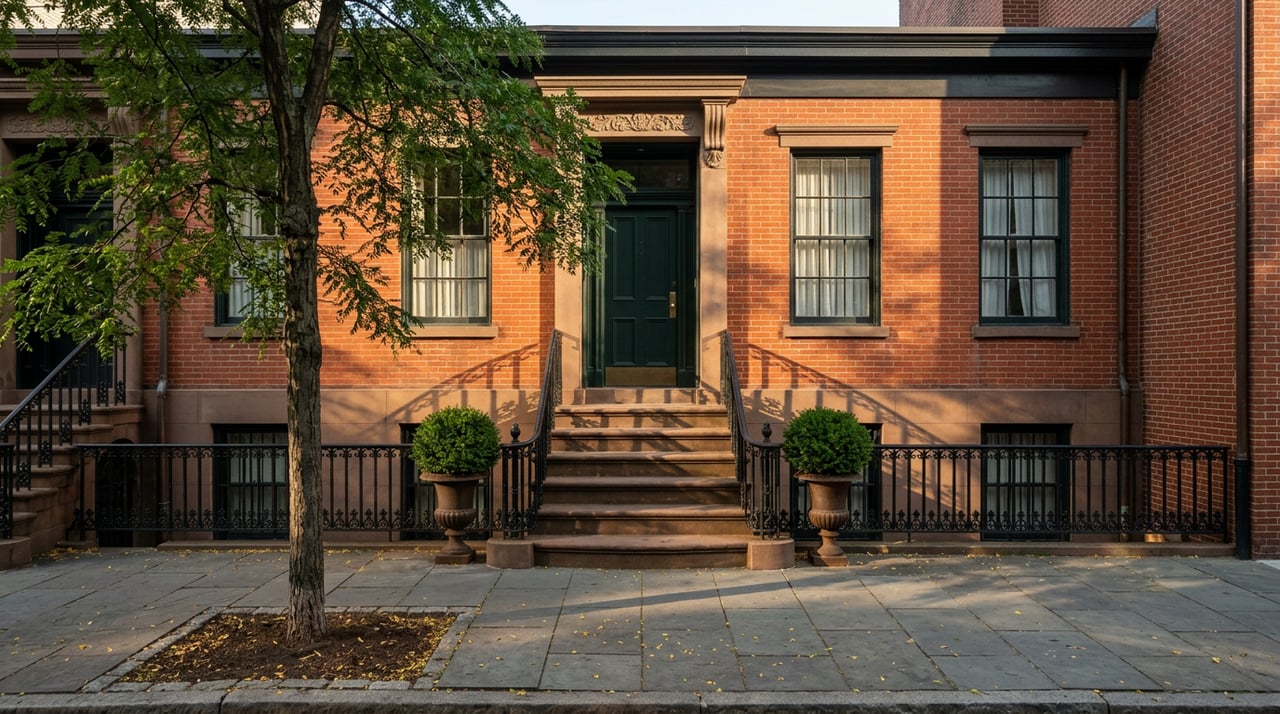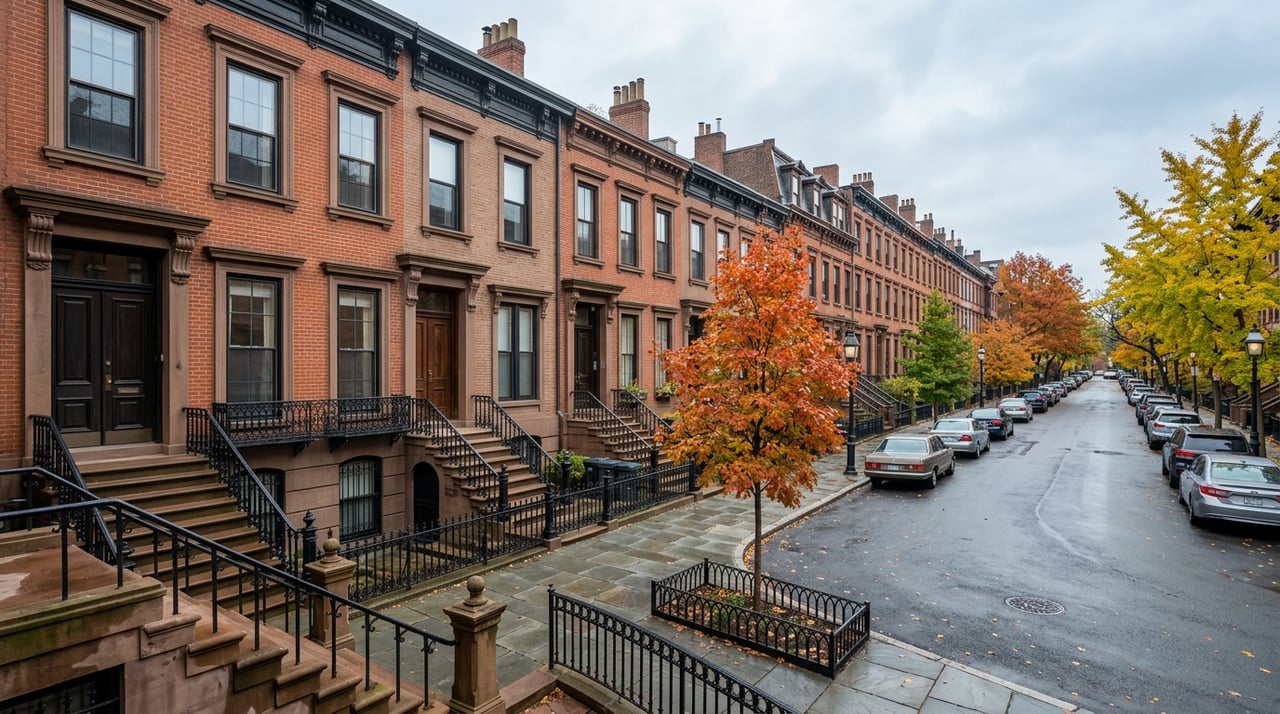
Eight restaurants have opened and closed inside 208 West 70th Street over the past few decades. Not one lasted ten years. The space sits between West End and Amsterdam avenues, roughly 9,000 square feet, and by any reasonable read it should scare off anyone thinking about a lease. Instead, Derek Wu just moved in with push-cart dim sum, a full bar, and a plan to run Cantonese banquet service seven days a week.
That's the opening story of Upper West Side dining this fall, and it isn't really about one restaurant. It's about a pattern. While much of Manhattan's new restaurant class this season is trending smaller and more personal, chefs opening intimate spaces built around regulars rather than opening-night buzz, the two biggest openings on the Upper West Side are doing the opposite. They're both betting on scale.
The Space That Keeps Betting Big
Wu's Dynasty had its soft opening on September 3, with a family-and-friends preview at noon before dinner service opened to the public that evening. Regular hours started the next day: 10 a.m. to 10 p.m., daily, walk-ins welcome. The dim sum carts run mornings only, 10 a.m. to 3 p.m., wheeling through the dining room the old-school way instead of taking orders off a paper menu. Live seafood and Peking duck round out a kitchen built by a team with more than two decades in Cantonese cooking, and a full bar with cocktails, whiskey, and wine sits alongside the banquet tables, which isn't standard for this kind of restaurant.
Wu spent roughly a decade as a partner at Wu's Wonton King on East Broadway before making this move uptown, a jump significant enough that a downtown outlet had to run a clarification when word got around. The pitch here is straightforward: bring the scale and format of a Chinatown banquet house to a neighborhood that hasn't had one.
A few blocks south and a few weeks later, Daniel Boulud is making a similar wager with an even bigger footprint. Boulud closed three long-running restaurants across from Lincoln Center in 2025. Rather than open something smaller in their place, he's combining all three into a single 10,000-square-foot brasserie, designed by Rockwell Group, opening mid-September at 1900 Broadway between West 63rd and 64th streets. Brasserie Boulud runs all day, coffee and croissants in the morning through bistro dinner and late-night cocktails, positioned as one continuous room rather than three separate concepts competing for the same corner.
Put the two side by side and the shape is the same even though the cuisines have nothing in common.
| Opening | Address | Footprint | Format |
|---|---|---|---|
| Wu's Dynasty | 208 West 70th Street | ~9,000 sq ft | Cantonese banquet hall, dim sum carts, full bar |
| Brasserie Boulud | 1900 Broadway (at W 63rd/64th) | ~10,000 sq ft | All-day French brasserie, three prior restaurants combined |
Both are wagering that a neighborhood with steady foot traffic near Lincoln Center and the West 70s can support a big room with a long service window, at a moment when the citywide trend is running the other direction.
Everyone Else Is Going Small
That contrast matters because it isn't the citywide story right now. Fall's most-watched openings elsewhere in Manhattan lean toward chefs striking out with personal, lower-key projects built for return visits rather than a splashy debut. It's a shift toward intimacy: smaller rooms, tighter menus, a chef's name attached to something built on their own terms.
The Upper West Side has some of that energy too, just at a different scale. Mr. Byrdie's Joint opened on Amsterdam and 110th with a menu built for a Columbia-adjacent crowd: a Cubano, wings, empanadas, and Dominican mochi for dessert, open until midnight on several nights. It's the kind of spot that doesn't need a design firm or a ten-year lease to work. Gnocchi on 9th opened a second Upper West Side location this fall as well, adding to a growing list of smaller, single-concept openings scattered across Broadway and Amsterdam.
So the neighborhood isn't choosing one lane over the other. It's supporting both at once, big consolidated rooms designed to anchor a block for a decade and small, single-purpose spots designed to serve a few hundred regulars well. That's a more interesting story than either trend on its own, and it says something about what this stretch of Manhattan can carry right now: enough density and enough steady demand to make both bets look reasonable to the people writing the checks.
The Park Season That Doesn't End When You Think It Does
Riverside Park's free programming tells a parallel story about what looks seasonal from the outside but isn't. Summer on the Hudson is now in its 24th year, presented jointly by Riverside Park Conservancy and NYC Parks, and the name suggests it wraps up around Labor Day. It doesn't. The current schedule runs events from today, September 21, through December 5, with more than three dozen listed on the NYC Parks calendar for that window alone.
The fall lineup swaps beach-season programming for something quieter and more seasonal. A Fall Overlook Concert series, curated by Charlotte Mayerson, runs afternoon sets through the season. Certified Forest Therapy Guide Lori Klamner leads guided walks built around slowing down and noticing the park rather than passing through it. The Amateur Astronomers Association hosts an evening stargazing session, weather permitting. Longtime jazz series "Let the Music Play," presented by Berta Indeed, keeps its community concert format going into the cooler months, and new Horticulture Tours led by Conservancy staff give a closer look at what's actually growing along the Hudson as the leaves turn.
There's also a first-time partnership this season: Uptown Film Center hosted an outdoor screening near the Red Clay Tennis Courts on September 18, part of a summer pop-up series ahead of the operator's planned five-screen cinema center. It's a small test run for a much bigger project, and worth watching if a permanent indoor screen on the Upper West Side matters to how you spend a Tuesday night come winter.
None of this requires a ticket, a reservation, or a membership. It requires knowing it's still happening, which is easy to miss once the calendar flips past September and the assumption sets in that outdoor programming stopped with summer.
What This Means If You Live Here
Two things are true about the Upper West Side this fall that weren't obviously true a year ago. The neighborhood is proving it can support large-format, long-lease restaurants at a moment when the rest of the city is pulling back toward smaller rooms, and its free public programming runs three months longer than its own name implies. Neither fact shows up if you're only checking the neighborhood in July or only reading citywide restaurant coverage that treats every opening as part of the same trend.
If you're weighing whether this stretch of Manhattan still has room to absorb ambitious, capital-heavy projects like a 10,000-square-foot brasserie or a Cantonese banquet hall in a space that's swallowed eight predecessors, the honest answer this season is yes, and the fact that two very different operators are making that bet in the same few weeks is the strongest evidence either of them has.
For anyone tracking the Upper West Side beyond this fall's restaurant openings and park calendar, including what any of this means for property values along Broadway, Amsterdam, or Riverside Drive, the team at Miller Schackman tracks these shifts as part of daily work in the neighborhood. Reach out any time you want a read on what's actually moving here, whether that's a new restaurant lease or the market for the building next door.