If you love the idea of stepping outside into one of Manhattan’s most iconic public spaces, living off Washington Square Park can feel like the dream version of Greenwich Village. It also comes with real day-to-day tradeoffs, from foot traffic and late-night energy to block-by-block differences that matter more here than many buyers first expect. If you are thinking about buying, renting, or selling near the park, this guide will help you understand what daily life actually feels like and how to think about the area with more clarity. Let’s dive in.
Why Washington Square Park feels different
Washington Square Park is more than a neighborhood park. At 9.75 acres and with more than 12 million annual visitors reported by the Conservancy, it functions as a civic hub, a gathering place, and a major part of NYU’s orbit.
That gives the surrounding blocks a distinctly public-facing feel. Compared with quieter residential pockets in Manhattan, the streets around the park tend to feel more social, more visible, and more active throughout the day.
NYU also describes the park as the center of campus and a common hangout for students. In practical terms, that means your experience here is shaped not just by Greenwich Village itself, but also by the steady rhythm of university life, visitors, performers, and neighborhood regulars.
How each side of the park feels
One of the biggest mistakes people make is treating this area like one uniform micro-market. The truth is that living “by Washington Square Park” can mean very different things depending on which edge or nearby block you choose.
North side feels most historic
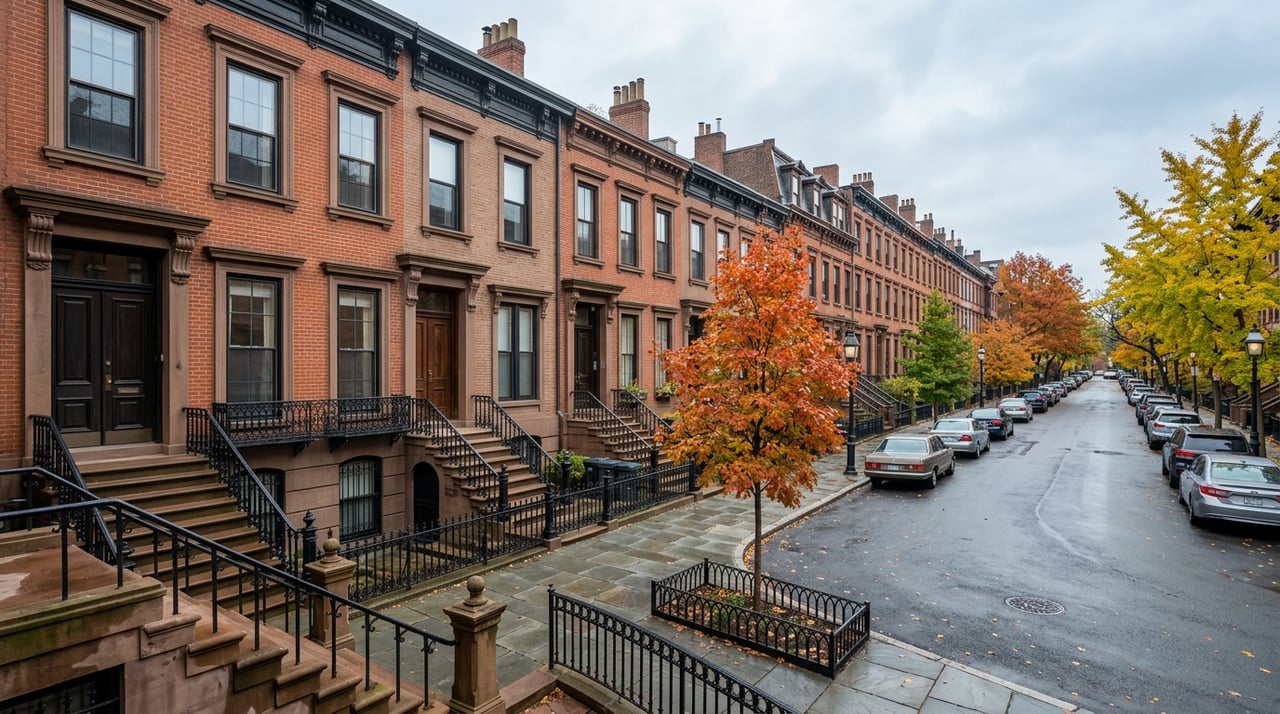
Washington Square North has one of the most historic identities around the park. Village Preservation describes the Row as one of New York City’s most important early 19th-century townhouse blocks, and some facades were preserved even after interiors were converted into apartments.
If you are drawn to classic Village architecture and a more old-New-York streetscape, this side often delivers that feeling most clearly. It is the park frontage that reads most like a landmarked postcard.
West side feels most social
The MacDougal Street side is the liveliest edge. This area connects closely to the neighborhood’s long-standing dining, coffeehouse, club, and nightlife culture, with well-known destinations nearby and a strong sense of movement from morning through late evening.
For some residents, that constant energy is the appeal. For others, it is the clearest reason to look one or two blocks away instead of right on the park.
East side feels most institutional
On the University Place and Waverly side, NYU’s presence is strongest. Academic buildings, student facilities, residence halls, and campus destinations cluster heavily on this edge, including the Silver Center, Bobst Library, Kimmel, and the ARC.
This side often feels more campus-oriented than the rest of the park. If you want to be near the center of that activity, it can be a strong fit. If you want less student foot traffic, it may not be your first choice.
South side feels most transit practical
The southern edge near West 4th and Washington Square South has the strongest transit feel. Its location puts you closer to the broader station network around West 4th Street, 8th Street, and the 14th Street corridor.
For many people, this side offers a practical middle ground. You still get the Washington Square address and walkability, but often with easier subway access and slightly less direct park-front exposure.
What daily life is really like
Washington Square Park is lively by design. NYU describes it as always abuzz, and the Conservancy notes its long history as a place where people gather, perform, protest, relax, and spend time.
That translates into a daily environment with a lot of ambient activity. Around the park, you are more likely to notice people, music, events, and foot traffic than heavy vehicle noise, especially because the park became car-free after the mid-20th-century fights over roadway access.
The fountain plaza is also a key performance space, which adds to the neighborhood’s energy. If you live directly facing the park, it is best to think of that home as high-visibility and high-energy rather than quiet and tucked away.
Park programming adds year-round activity
The park is not only active when the weather is nice. The Conservancy’s public programming includes events like yoga, salsa socials, walking tours, workshops, and cleanup events, which helps keep the area active across seasons.
That matters when you are evaluating livability. The energy here is not random or occasional. It is part of how this public space functions all year.
A block or two can change everything
One of the smartest ways to shop this micro-location is to compare park-front homes with side-street homes nearby. A unit one or two blocks off the park may still give you the same Greenwich Village routine while feeling noticeably calmer day to day.
That distinction can be especially important if you work from home, value quieter evenings, or simply want easier separation from constant public activity. In this pocket, small location changes often have an outsized impact.
Green space is a real advantage
For a downtown Manhattan address, the amount of outdoor space here is a major strength. The park’s renovation added expanded lawns and planting beds, new benches and lighting, a rebuilt fountain plaza, playgrounds, a stage, sitting areas, a pétanque court, and a rebuilt Park House.
You also have two dog runs open daily from 6 a.m. to midnight. If you are a pet owner or someone who values easy outdoor access, that kind of daily convenience is hard to ignore.
Just as important, Washington Square Park is not your only nearby green option. Jefferson Market Garden offers a smaller, quieter contrast with winding paths, plantings, and community events, giving you another outdoor setting within the broader Village.
Dining and café culture are part of the lifestyle
If you want a neighborhood where you can build routines close to home, this area delivers. MacDougal Street alone has nearly 60 restaurants, according to Eater, and it remains one of Greenwich Village’s most recognized dining corridors.
That density supports a very local lifestyle. Coffee runs, casual lunches, dinner plans, and late-night food can all happen within a short walk, which is part of what makes this pocket feel so easy to live in.
The nearby 8th Street corridor adds even more everyday convenience with restaurants, retail, public plazas, and neighborhood institutions. For many residents, that walkability is one of the area’s biggest long-term selling points.
Housing stock has a classic Village feel
Around Washington Square Park, the housing story is shaped more by preservation and adaptive reuse than by new development. Village Preservation notes that the Greenwich Village Historic District covers more than 2,200 buildings across 100 blocks, and the building fabric around the park reflects that legacy.
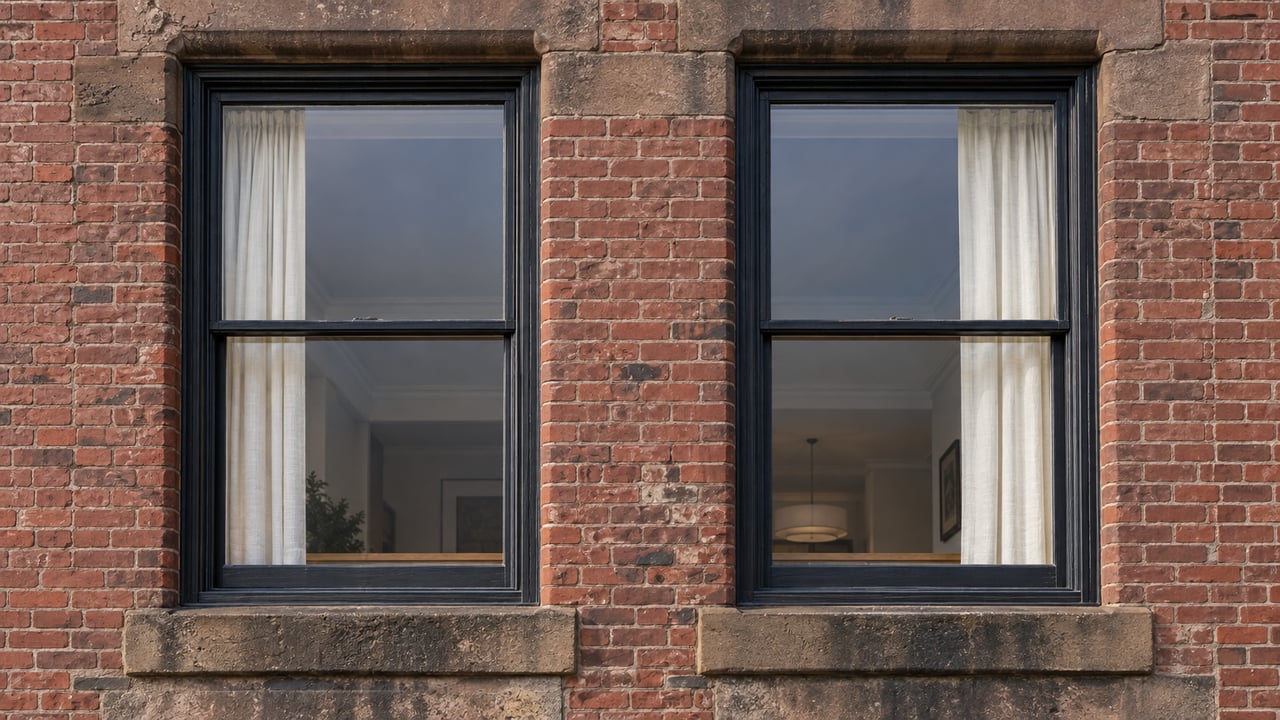
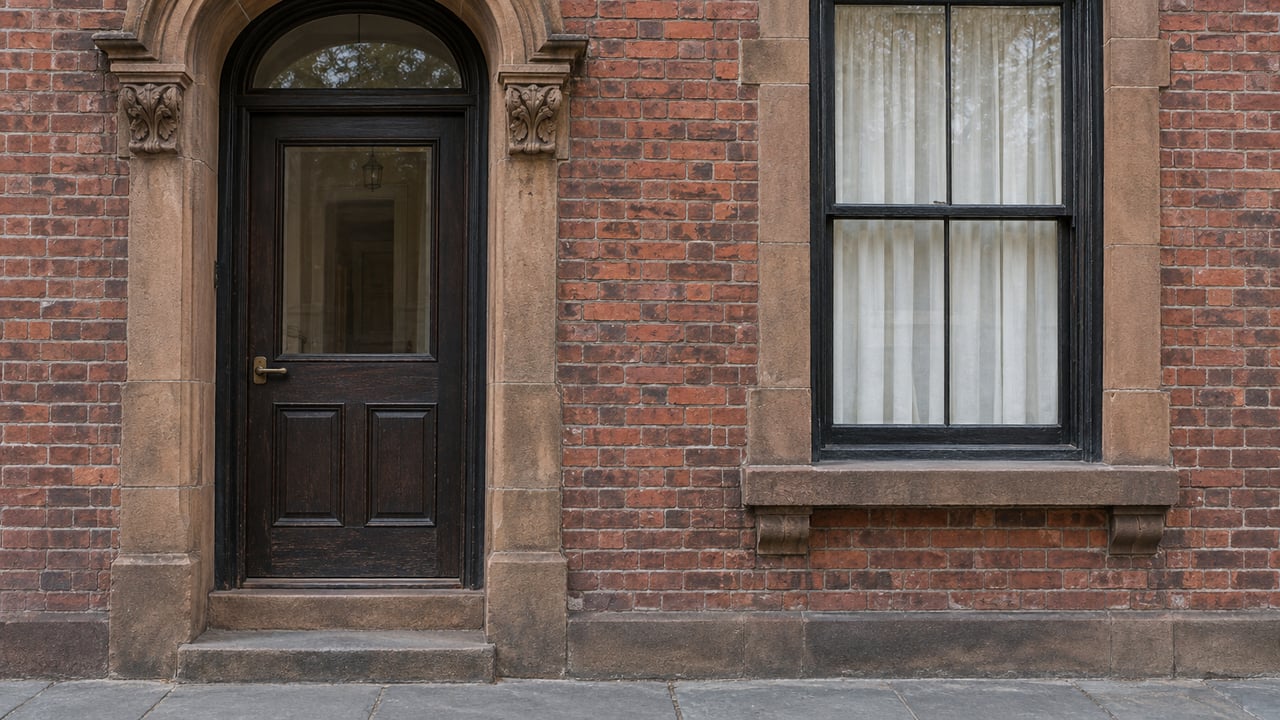
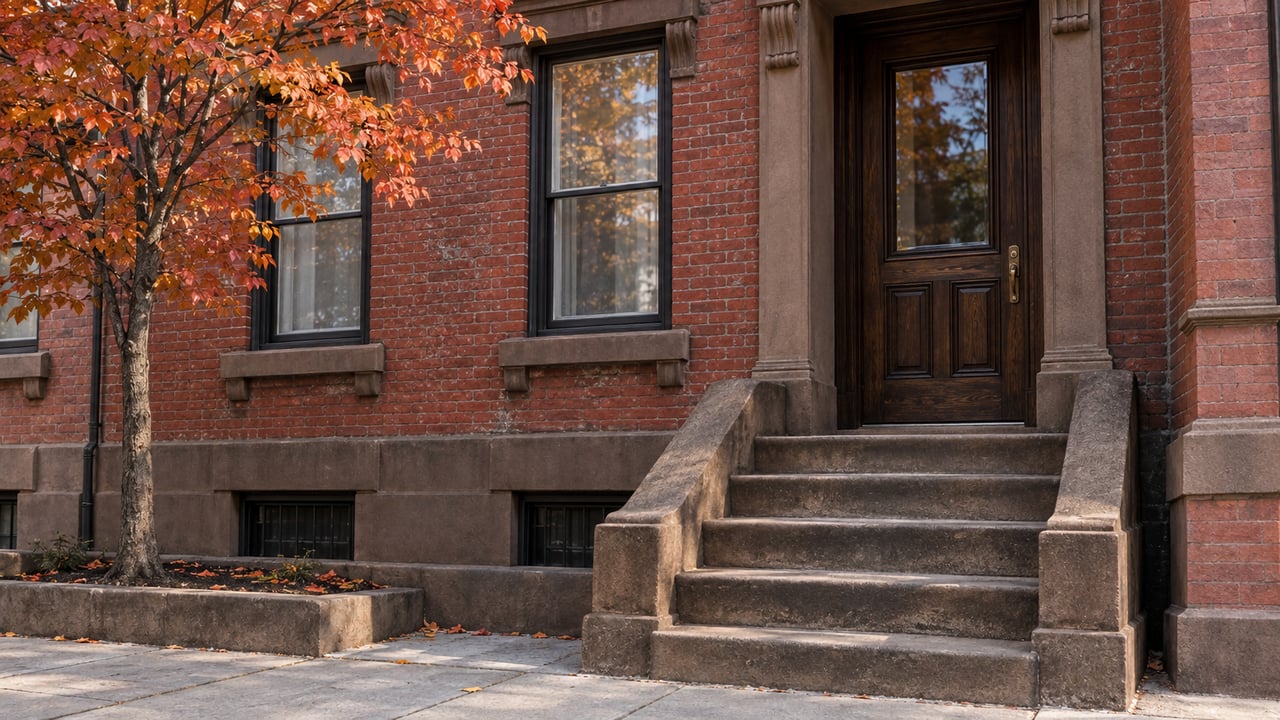
That often means a mix of prewar buildings, landmarked streetscapes, townhouse conversions, and apartment interiors shaped by older structures. Some buildings also have ties to NYU ownership or use, which can influence the feel and availability of certain properties nearby.
For buyers and renters, this usually means the character is a major part of the appeal. If you are looking here, it helps to appreciate that charm, layout, and building history can matter just as much as square footage.
Transit is one of the biggest advantages
This pocket is not only walkable. It is also exceptionally well connected by subway. Nearby options include West 4 St-Washington Sq, 8 St-NYU, Christopher St-Stonewall, 14 St-Union Sq, and the 14 St-6 Av station complex.
That range gives you access to multiple lines and multiple directions without needing to rely on a single station. For daily commuting, social plans, and general flexibility around Manhattan and beyond, that is one of the neighborhood’s strongest practical benefits.
The MTA also identifies West 4 St-Washington Sq as an accessible station, and notes that the 14 St-6 Av complex is now fully accessible after elevator work. For some buyers and renters, that can be an important part of the location decision.
Who tends to like living here most
This pocket tends to appeal to people who want Greenwich Village at its most iconic and most connected. If you value architecture, culture, café life, green space, and the ability to move through the city easily, the area checks a lot of boxes.
It can be especially compelling if you want a home that feels tied to a real public place instead of an isolated residential strip. At the same time, if your top priority is peace and predictability, you may prefer a nearby Village block with a little more distance from the park.
That is why nuance matters here. The same address can feel very different depending on exposure, street orientation, and how close you are to the most active edges.
How to evaluate a home near the park
If you are buying or renting here, it helps to look beyond the listing photos and ask practical questions about how the block performs in real life.
A few factors matter most:
- How directly the unit faces the park
- How close the building is to MacDougal Street activity
- Whether NYU foot traffic affects the immediate block
- How quickly you can reach your preferred subway lines
- Whether a side-street location might better match your routine
If you are selling near Washington Square Park, those same details shape positioning and pricing. The right marketing strategy often depends on whether your home’s value story is historic character, direct park frontage, transit convenience, or a quieter off-park location with Village access.
Living off Washington Square Park is really about choosing your version of Greenwich Village. Some buyers want the buzz, the views, and the constant sense of place. Others want to be close enough to enjoy the park every day while keeping a little distance from the activity. If you want help understanding which blocks best fit your goals, the team at Miller Schackman can guide you with neighborhood-specific insight, pricing context, and a personalized plan.
FAQs
What is it like to live near Washington Square Park in Greenwich Village?
- Living near Washington Square Park usually means strong walkability, easy access to green space, dense dining options, and a more active street environment than many other Manhattan residential pockets.
Which side of Washington Square Park is quietest?
- Based on the area’s layout, side streets one or two blocks away often feel calmer than direct park-front homes, while the west side near MacDougal Street generally feels the liveliest.
Is Washington Square Park a good area for subway access?
- Yes. The neighborhood is close to several major subway options, including West 4 St-Washington Sq, 8 St-NYU, Christopher St-Stonewall, 14 St-Union Sq, and the 14 St-6 Av complex.
What kinds of homes are common near Washington Square Park?
- Housing near the park is typically shaped by historic preservation and adaptive reuse, with prewar buildings, townhouse conversions, and landmarked streetscapes playing a major role.
Does NYU affect daily life near Washington Square Park?
- Yes. NYU has a strong presence around the park, especially on the east side, where academic buildings, student facilities, and residence halls contribute to the area’s daily rhythm.
Is Washington Square Park the only nearby green space in this part of Greenwich Village?
- No. In addition to Washington Square Park, nearby Jefferson Market Garden offers a quieter outdoor alternative within the neighborhood.