If you have ever looked at two Chelsea apartments with similar square footage and very different asking prices, the High Line may be part of the answer. In this part of Manhattan, being near the park is not just a lifestyle perk. It can shape views, privacy, building design, and ultimately value. If you are buying or selling in Chelsea, understanding how the High Line affects pricing can help you make a sharper decision. Let’s dive in.
Why the High Line matters in Chelsea
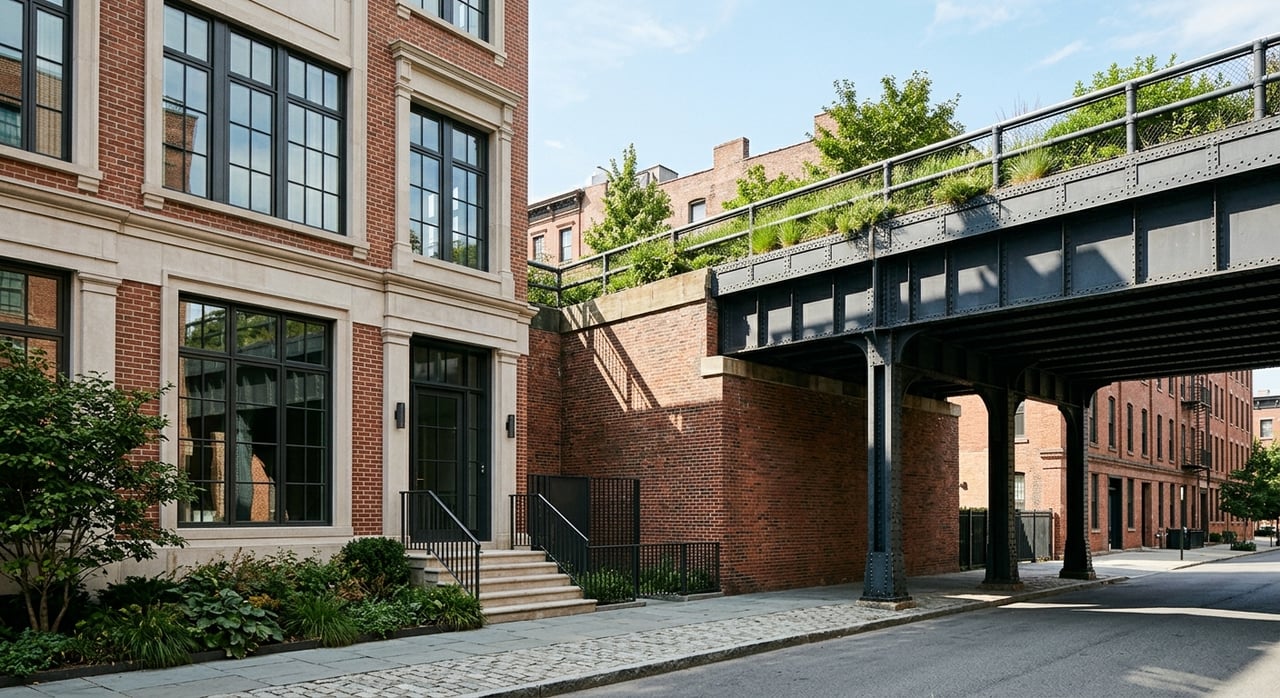
The High Line is a 1.45-mile elevated rail line turned public open space in West Chelsea. According to New York City planning records, it now attracts nearly seven million visitors each year, which makes it both a neighborhood amenity and a major city destination.
That mix matters for apartment values. A home near the High Line can benefit from access to open space, distinctive views, and the prestige that comes with a well-known location. At the same time, that same popularity can bring more foot traffic, activity, and visibility near park entrances and nearby avenues.
How zoning shapes value near the park
The High Line does not influence value by location alone. It also changes the physical rules around nearby buildings. New York City zoning defines High Line frontage as portions of buildings within 15 feet of the west side and 25 feet of the east side of the line, and those areas are subject to special design rules.
In West Chelsea, those rules include setbacks, transparency requirements, and landscaped open-space provisions near the park. City planning records also show that the Special West Chelsea District was designed to support mixed-use residential development while preserving light, air, views, and the setting around the High Line.
For you as a buyer or seller, that creates a scarcity effect. Not every apartment can offer the same relationship to the park, and not every future project can be built the same way. When rules help protect view corridors and building spacing, certain apartments can stand out more in the market.
What the data suggests about the High Line premium
The clearest evidence comes from repeat-sales and hedonic pricing research. A 2020 academic study found that homes closest to the High Line saw a 35.3% increase in housing values after the park’s introduction.
That same study found the strongest premium in homes at the High Line’s height and above the first floor. In plain terms, units that can actually connect to the park visually and spatially tend to benefit more than units that are simply nearby on a map.
StreetEasy’s repeat-sales analysis also found a major gap between the area around the first portion of the High Line and a nearby comparison area. By May 2016, the median resale price near that first section was more than 100% higher than the comparison area, and prices near Sections 1 and 2 had risen faster since 2011.
Why some apartments benefit more than others
Not all High Line proximity is equal. In Chelsea, the biggest value differences often come from what your unit can actually see, feel, and enjoy day to day.
The High Line sits roughly 25 feet above grade, and planning documents show that nearby streetwall and setback rules were intended to preserve light, views, and air. That means upper-floor units, unobstructed park-facing exposures, terraces, and wide skyline views are usually better positioned to capture a premium.
By contrast, a low-floor unit or an apartment facing an interior shaft may benefit less, even if the building is close to the park. That does not mean it lacks value. It means buyers and sellers should separate a true view-and-light premium from a simple location premium.
What buyers should compare carefully
If you are shopping in Chelsea, it helps to think beyond distance to the High Line. Two apartments a block apart can offer very different experiences and very different long-term value.
Here are some of the most important questions to ask:
- Does the unit face the park, a side street, or an interior exposure?
- How high is the apartment relative to the High Line itself?
- Are the views open, partial, or easily blocked?
- Does the building benefit from nearby setback rules that help protect light and air?
- How much of the asking price seems tied to actual views versus general neighborhood prestige?
These questions matter because the strongest premium is often tied to usable features, not just the address. A buyer who understands that difference is better equipped to compare listings fairly.
What sellers should know about pricing strategy
If you are selling in Chelsea, the High Line can be a major part of your pricing story, but only if you define that advantage clearly. Buyers are often willing to pay more for direct park exposure, stronger natural light, and open views, yet they also look closely at privacy, noise, and floor height.
That means two homes with similar size and finish level may justify very different pricing. A park-facing condo on a higher floor may compete in a very different category from a similar apartment farther east or with a more enclosed exposure.
For sellers, this is where precise positioning matters. The market may reward your apartment not just for being in Chelsea, but for offering a specific relationship to the High Line that fewer homes can match.
Condo and co-op differences in Chelsea
The High Line conversation also overlaps with property type. Chelsea includes both newer condos near the park and a large stock of older co-ops throughout the neighborhood, and those categories often trade at very different price points.
PropertyShark’s March 2026 dashboard reported a Chelsea median sale price of $960,000 overall, with a property-type split of about $2.4 million for condos and $820,000 for co-ops. It also reported 29 condo transactions and 35 co-op transactions that month.
Those numbers reinforce a practical point. If you compare a High Line-adjacent condo to a prewar co-op farther east, you are not just comparing distance from the park. You are also comparing ownership structure, building age, amenity package, and typical buyer expectations.
Why Chelsea pricing needs block-by-block analysis
Chelsea is a broad neighborhood, and market conditions can vary sharply by location. StreetEasy notes that access to transit and neighborhood feel can differ significantly from block to block, which means broad averages only tell part of the story.
That is especially important when you look at public market dashboards. In March 2026, Redfin reported a Chelsea median sale price of about $2.0 million, 132 median days on market, and a 99.2% sale-to-list ratio. PropertyShark, using a different methodology and property mix, reported a much lower overall median.
For you, the takeaway is simple: context matters. A useful valuation in Chelsea should compare similar property types, similar exposures, and similar positions relative to the High Line rather than relying on one neighborhood-wide median.
The trade-off: amenity versus activity
The High Line can lift value because it adds public space, design appeal, and a clear sense of place. But buyers also weigh the cost of that popularity.
With nearly seven million annual visitors, the area around the park can feel more active than quieter parts of Chelsea. Depending on the building and unit, that may mean more street energy and stronger retail appeal, or it may mean more crowding, noise, and privacy concerns.
That trade-off is one reason unit-specific analysis matters so much. For one buyer, being close to the action is a plus. For another, a quieter block farther east may feel like the better value.
What this means for your next move
If you are buying in Chelsea, the High Line should be part of your analysis, but not the whole story. The best opportunities often come from understanding which listings truly offer a park-related premium and which ones are simply priced as if they do.
If you are selling, your pricing strategy should focus on the details that buyers can see and feel immediately: floor height, light, exposure, privacy, and the quality of the apartment’s connection to the park. In a neighborhood this nuanced, careful comparables and smart positioning can make a meaningful difference.
When you want a clearer read on how your Chelsea apartment fits into the market, Miller Schackman can help you evaluate pricing, positioning, and next steps with local Manhattan insight.
FAQs
How does the High Line affect apartment values in Chelsea?
- The strongest available research found that homes closest to the High Line experienced a 35.3% increase in housing values after the park’s introduction, with the biggest premium in units at the park’s height and above the first floor.
Which Chelsea apartments benefit most from High Line proximity?
- Apartments with higher floors, direct park-facing exposures, terraces, and broader open views typically capture more value than low-floor units or apartments with inward-facing exposures.
Do all Chelsea homes near the High Line command a premium?
- No. Proximity alone does not guarantee the same value effect. Exposure, floor height, privacy, light, and whether the unit has meaningful views all play a major role.
Are condos near the High Line priced differently from Chelsea co-ops?
- Yes. Public March 2026 data from PropertyShark showed Chelsea condo median pricing well above co-op median pricing, which reflects the gap between newer condo inventory near the High Line and older co-op stock across the neighborhood.
What should Chelsea sellers highlight if their apartment is near the High Line?
- Sellers should focus on features that support a real premium, such as protected views, strong natural light, floor height, outdoor space, and a clear park-facing exposure rather than relying on location alone.
What should Chelsea buyers watch for in High Line-area listings?
- Buyers should compare whether the asking price reflects true view and light value, how the unit sits relative to the High Line’s elevation, and whether the building’s setting supports privacy and long-term appeal.