Looking for a Manhattan neighborhood that feels busy, creative, and unmistakably lived-in? The East Village has a rhythm all its own, with daytime coffee stops, independent storefronts, leafy side streets, and late-night energy all packed into a compact, walkable part of downtown. If you are thinking about buying, renting, or simply getting to know the area better, this guide will help you understand what daily life, neighborhood character, and housing really look like here. Let’s dive in.
What living in the East Village feels like
The East Village blends residential blocks, storefronts, public facilities, and green space in a way that makes everyday life feel connected. Instead of long stretches of one single use, you get a neighborhood where errands, dining, transit, and recreation often sit within a short walk of each other.
That layout supports a very practical daily routine. You can step out for coffee, pick up essentials, head to the subway, and meet friends for dinner without needing to leave the neighborhood. At the same time, the East Village is not uniform from block to block, so your experience can shift quickly depending on where you are.
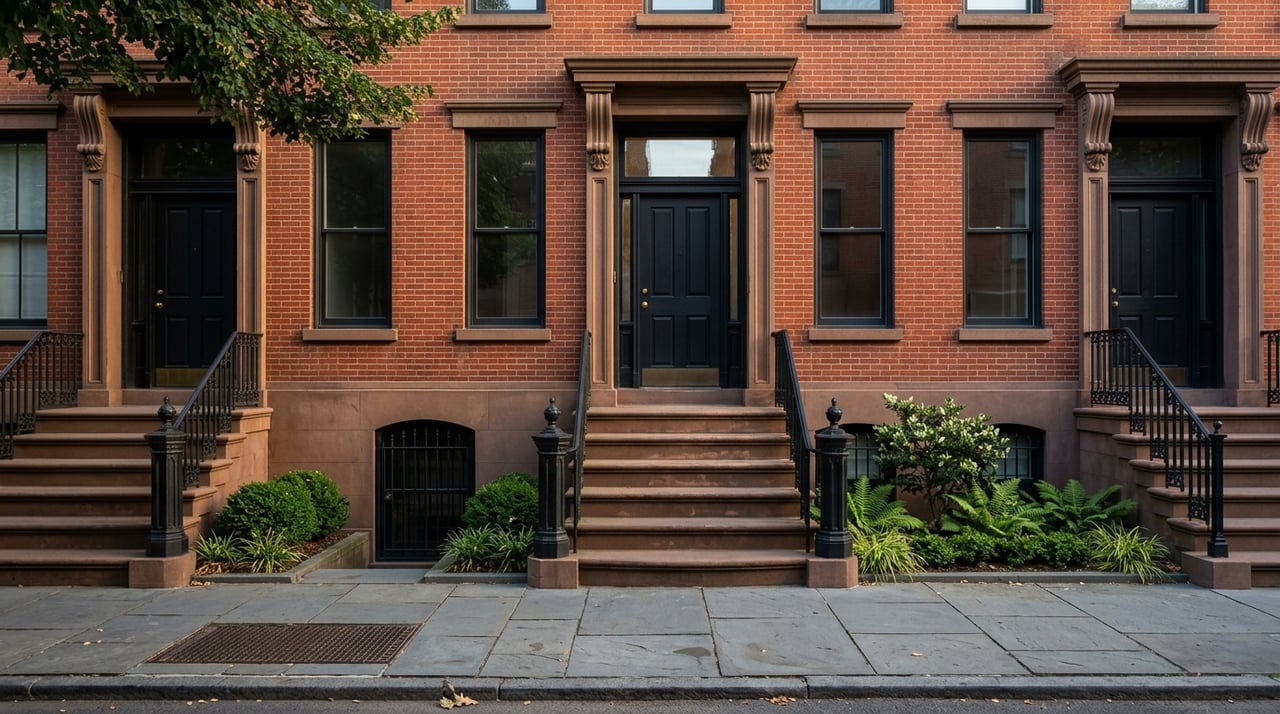
StreetEasy describes the area as lively and busy, with older prewar buildings and leafy side streets that soften the pace in certain pockets. That mix is part of the appeal. You get downtown energy, but also quieter stretches that feel more residential.
East Village vibe and local identity
The East Village is often associated with food, nightlife, and independent businesses, but that only tells part of the story. NYC Small Business Services highlights the neighborhood’s cafe culture and small-business landscape, which help give it a small-town-in-the-big-city feel despite its density and activity.
On the eastern side, you may also hear the names Alphabet City and Loisaida. Those names reflect layers of local history, including immigrant and Latino heritage that continue to shape the area’s identity.
This is one of the reasons the East Village stands apart from more polished nearby neighborhoods. It tends to feel more layered, more casual, and less curated. If you want a neighborhood with personality rather than a perfectly uniform streetscape, that can be a major draw.
Walkability and transit in the East Village
For many residents, the East Village works best as a walking neighborhood. The mixed-use layout means a lot of daily needs are close by, and the area’s street grid makes it easy to move between commercial corridors, residential blocks, and park space.
According to NYC housing materials, nearby subway access includes the 2nd Avenue F train, Astor Place 6 train, and Broadway-Lafayette B, D, F, and M trains. Bus service includes the M8, M15, and M14A-SBS.
That range of transit options helps connect the neighborhood to other parts of Manhattan and beyond. Still, your exact convenience level depends on which edge of the East Village you live on, so it helps to think in terms of your specific block, not just the neighborhood name.
Parks and outdoor space
Tompkins Square Park anchors daily life
Tompkins Square Park is the East Village’s most recognizable green space. NYC Parks lists it as a 10.5-acre neighborhood park stretching from Avenues A to B and East 7th to East 10th Streets.
The park plays a large role in everyday life. NYC SBS notes that it supports community events, dog walking, skateboarding, and a renovated playground, while NYC housing materials also point to sports, recreation, and farmers markets nearby.
If you are comparing downtown neighborhoods, this matters. Access to a park of this scale can make the East Village feel more balanced than buyers or renters expect when they first focus only on nightlife and density.
East River waterfront access is evolving
The neighborhood’s eastern edge also connects to a broader layer of open space through the East Side Coastal Resiliency project. NYC says the project is creating a 2.4-mile flood-protection system that includes the elevated East River Park, Stuyvesant Cove Park, Murphy Brothers Playground, Corlears Hook Park, and Asser Levy Playground.
Large new sections of East River Park reopened in 2025, and the city says at least 40 percent of the park remains open during construction. For residents, that means waterfront access is an active part of the neighborhood picture, even as the long-term work continues.
Dining, nightlife, and street energy
If you know one East Village corridor by name, it is probably St. Mark’s Place. NYC DOT has described it as a corridor that captures the neighborhood’s creative spirit, with clothing shops, tattoo shops, restaurants, and nightlife all contributing to its identity.
StreetEasy also points to St. Mark’s Place as the neighborhood’s heart, with vendors and late-night foot traffic helping define the atmosphere. If you love activity and a strong street scene, that can be a plus. If you are more sensitive to noise or crowds, it is a reminder to choose your block carefully.
That balance is important across the East Village as a whole. Some areas feel highly social and energetic late into the evening, while others, especially certain side streets, feel calmer and more residential.
East Village housing stock
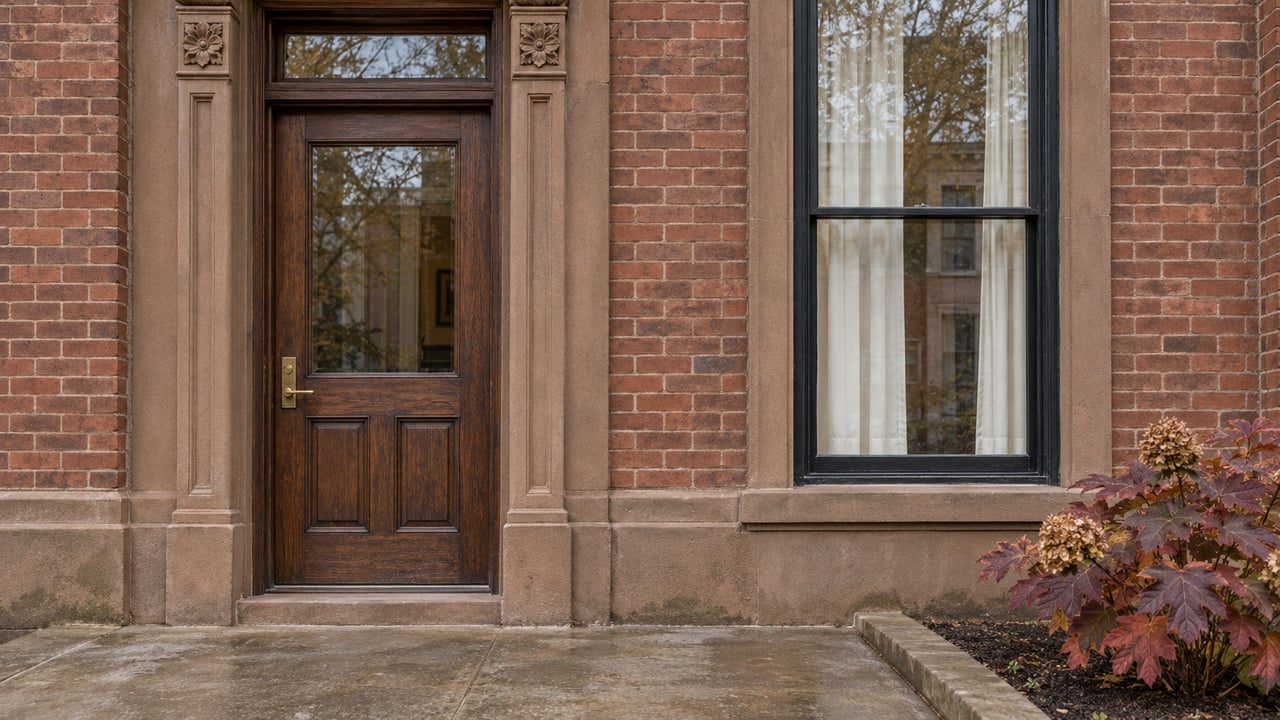
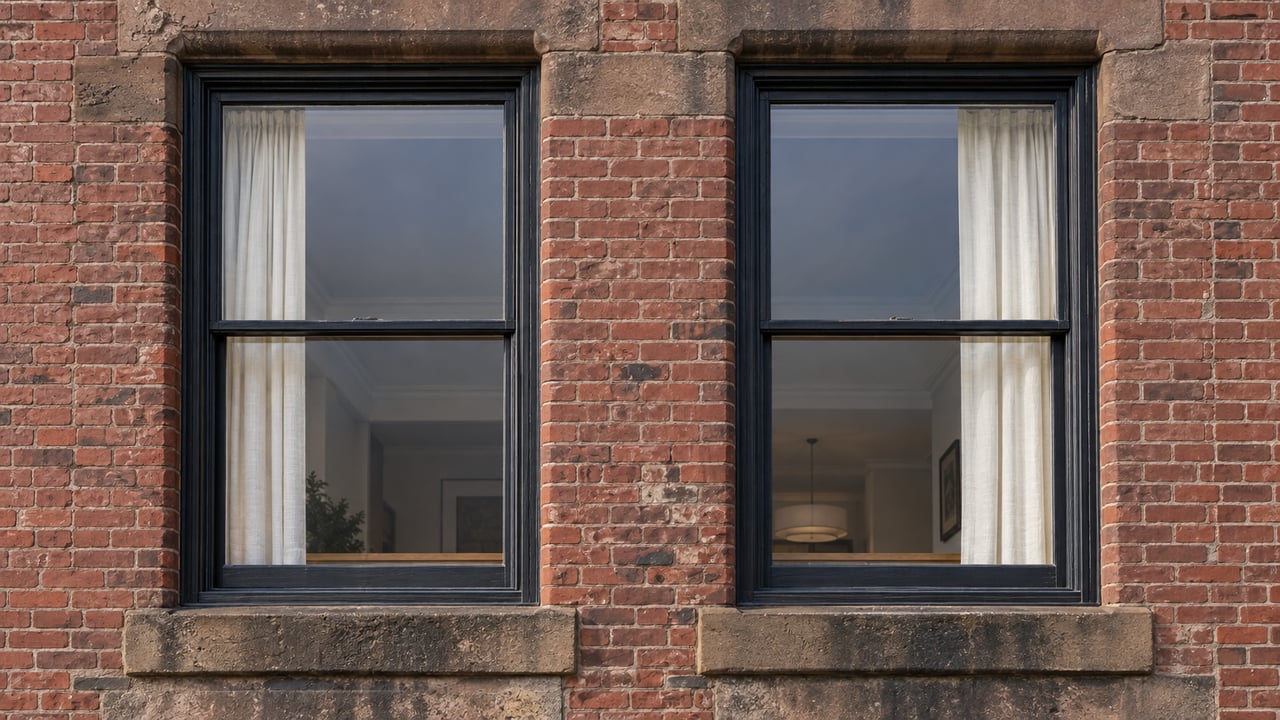
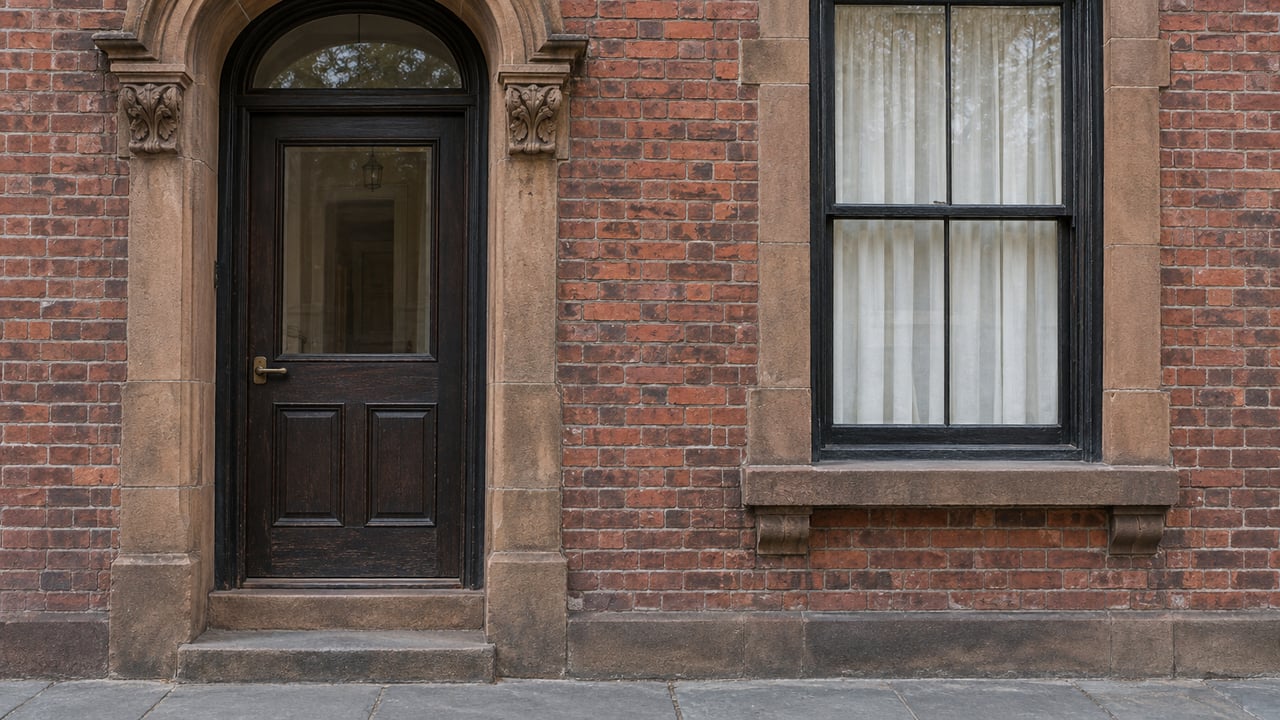
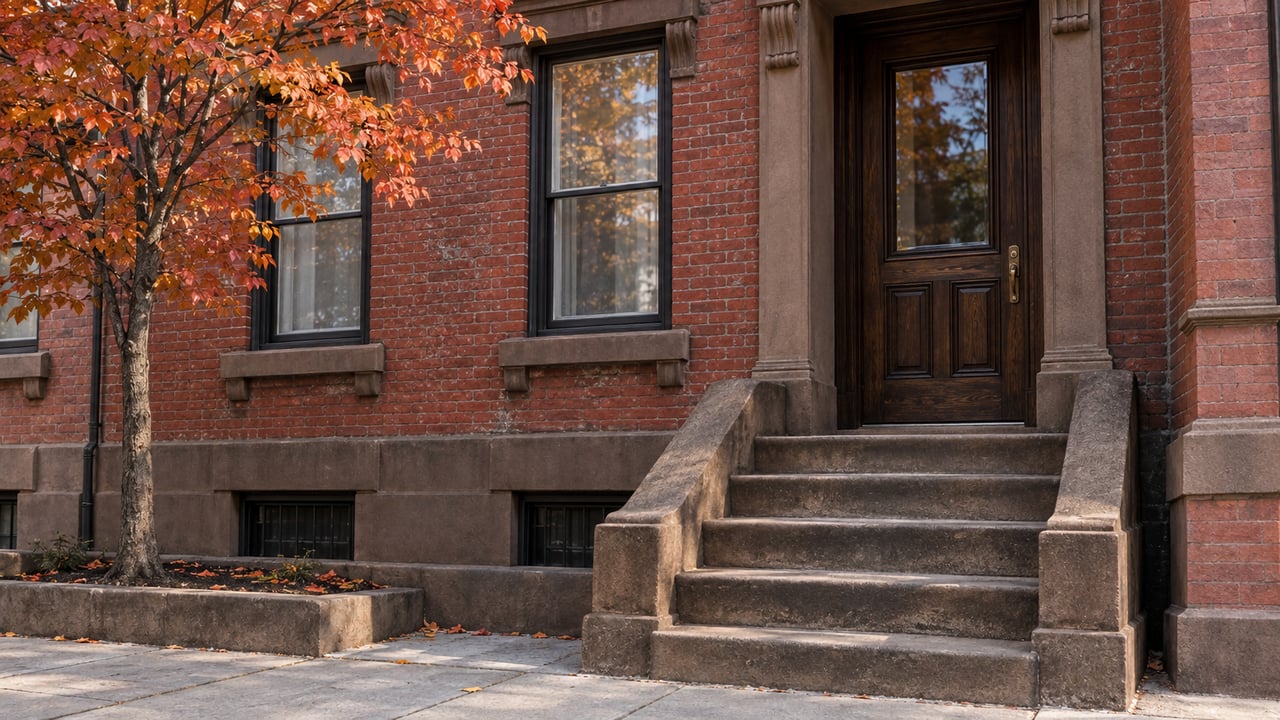
The East Village housing story starts with prewar buildings. StreetEasy says older walk-ups dominate both sales and rentals, while newer condos are relatively limited.
That shapes both the look and function of the neighborhood’s housing. Many homes are in smaller buildings, many apartments are compact, and some need updates. NYC Planning materials similarly describe the area as ranging from narrow walk-ups on side streets to larger multifamily buildings.
If you are coming from neighborhoods with more elevator buildings and full-service inventory, the East Village can feel different right away. Here, housing often comes with more trade-offs in building amenities, but also with a strong sense of neighborhood character and location value.
East Village prices and housing ranges
StreetEasy currently shows a median asking sale price of about $920,000 and a median base rent of about $4,650 in the East Village. Those figures are useful as a snapshot, but they do not tell the whole story because the neighborhood has a wide spread by property type and condition.
A more practical way to think about pricing is by tier:
- Entry-level and smaller walk-ups: one-bedroom sales often range from the mid-$700,000s to about $1.0 million, with studio rentals around $4,400
- Core mid-market homes: many one-bedroom and small two-bedroom homes cluster around roughly $1.0 million to $2.1 million, with rentals often around $4,500 to $8,000
- Premium inventory: higher-end examples can reach about $5.9 million for a three-bedroom sale and above $18,000 for a furnished two-bedroom rental
In most cases, prewar walk-up co-ops and rentals form the baseline. Elevator condos and boutique new-development homes exist, but they are less common, and larger loft-like or penthouse units sit at the top end of the market.
Who the East Village tends to suit
The East Village often appeals to people who want a lived-in downtown neighborhood rather than a polished, highly controlled environment. If you value walkability, independent businesses, strong food culture, and a noticeable street life, it may feel like a natural fit.
It can also work well if you are comfortable making trade-offs. In many cases, that means smaller apartments, older buildings, and fewer luxury-building amenities than you might find in some other Manhattan neighborhoods.
For buyers and renters alike, the key is to match your priorities to the block and building type. In the East Village, that level of specificity matters more than broad neighborhood branding.
How the East Village compares nearby
East Village vs. West Village
Compared with the West Village, the East Village is generally less polished and more walk-up and rental heavy. The West Village tends to be associated with highly sought-after townhouses and condos that can command several million dollars, while East Village inventory leans more toward older prewar buildings and smaller homes.
For you, that can mean a different value equation. The East Village may offer a more casual and eclectic feel, but it also asks you to be realistic about building age, layout efficiency, and condition.
East Village vs. Greenwich Village
Compared with Greenwich Village, the East Village is usually the grittier and more nightlife-driven option. Greenwich Village includes a mix of upscale co-ops, townhouses, and classic walk-ups, while the East Village is more closely tied to prewar walk-ups, a stronger late-night scene, and independent retail culture.
That does not make one better than the other. It simply means your day-to-day experience may feel more energetic and less formal in the East Village.
East Village vs. Lower East Side
Compared with the Lower East Side, the East Village can read as slightly more residential and more park-anchored, especially around Tompkins Square Park. Both neighborhoods share downtown energy and similar current asking-price snapshots, but the East Village’s green-space anchors help it feel a bit different.
If outdoor space matters to you, that distinction can be meaningful. Even in a dense part of Manhattan, nearby parks can have a real impact on how a neighborhood feels from one day to the next.
What to keep in mind before you move
If you are seriously considering the East Village, focus on the details that shape daily comfort. A beautiful apartment listing matters, but so do the stairs, the noise level, the exact park access, and the transit route you will actually use.
It also helps to think carefully about building type. A prewar walk-up may offer charm and location, while a newer condo may offer convenience and modern finishes, but those options usually come with different price points and availability.
For sellers, the same neighborhood complexity matters when pricing a home. In the East Village, value often depends not just on square footage, but also on block, building style, floor level, condition, and how your property compares with other prewar or boutique listings nearby.
The East Village is one of those Manhattan neighborhoods where nuance matters. If you want help understanding how a specific apartment, building, or block fits into the bigger market picture, Miller Schackman can help you navigate the East Village with clear, neighborhood-specific guidance.
FAQs
What is daily life like in the East Village?
- Daily life in the East Village is highly walkable and mixed-use, with residential blocks, restaurants, cafes, small businesses, parks, and transit all woven closely together.
What kind of housing is common in the East Village?
- The East Village is known for prewar housing, especially older walk-ups that dominate both the sales and rental market, with fewer newer condos available.
How expensive is East Village housing?
- Current StreetEasy snapshot data shows a median asking sale price of about $920,000 and a median base rent of about $4,650, with pricing varying widely by property type, size, and condition.
What park is most important in the East Village?
- Tompkins Square Park is the neighborhood’s main open-space anchor, offering 10.5 acres of green space used for recreation, events, dog walking, skateboarding, and nearby farmers markets.
How does the East Village compare with the West Village?
- The East Village is generally less polished, more walk-up heavy, and more nightlife-oriented than the West Village, which is known for more expensive townhouses, condos, and a more refined housing mix.
Is the East Village well connected by transit?
- Yes, nearby transit includes the 2nd Avenue F train, Astor Place 6 train, Broadway-Lafayette B, D, F, and M trains, plus bus routes such as the M8, M15, and M14A-SBS.