Ever wonder why so many Manhattan buyers keep circling back to the Upper West Side when they want green space without giving up city convenience? If you are weighing where daily life will feel easiest, calmest, and most connected, living near Central Park often rises to the top for good reason. From morning walks and museum afternoons to classic pre-war homes and easy subway access, this pocket of Manhattan offers a lifestyle built around access and character. Let’s dive in.
Why Central Park shapes daily life
On the Upper West Side, Central Park is not just a nearby landmark. It often becomes part of your routine. Manhattan Community Board 7 defines the Upper West Side as stretching from 59th to 110th Streets between Central Park and the Hudson River, and city planning documents describe it as a dense residential neighborhood with commercial activity concentrated mainly along Broadway, Amsterdam Avenue, and Columbus Avenue.
That layout gives many blocks near the park a quieter, more residential feel. Instead of living in the middle of nonstop destination retail, you are often living close to everyday essentials with the park acting as a major anchor for recreation, downtime, and movement through the neighborhood.
What life near the park feels like
If you picture a Manhattan lifestyle centered on walking, neighborhood errands, and quick access to open space, this area fits that image well. The surrounding street pattern supports a rhythm where you can head out for coffee, cross into the park for a run or stroll, and still stay close to home.
Compared with many downtown areas, the Upper West Side near Central Park generally feels more established and more residential in character. That comes from its concentration of housing, parks, and cultural institutions, along with commercial corridors that are more defined than sprawling.
Central Park perks for active routines
For many residents, one of the biggest advantages is how easy it is to build outdoor time into a busy week. Central Park Conservancy describes the park as a runner’s paradise, with the Reservoir track offering a 1.58-mile loop and the park’s longest loop stretching 6.1 miles.
The west side of the park is also easy to reach from the 1, 2, 3, B, and C subway corridor. That means the park is not just useful for nearby residents. It is also well connected if your day takes you elsewhere in Manhattan.
Running and walking options
Whether you prefer a quick morning lap or a longer weekend route, Central Park offers variety without needing to leave the neighborhood. For many buyers, that kind of built-in flexibility is hard to replicate elsewhere.
The appeal is simple: you can have dense city living while staying close to one of the best-known urban parks in the world. That balance is a big part of what defines life here.
Dog-friendly routines
If you have a dog, park access can shape your housing search in a major way. Central Park Conservancy says dogs must be leashed from 9:00 am to 9:00 pm, with off-leash hours from 6:00 am to 9:00 am and 9:00 pm to 1:00 am in designated areas.
Those hours make it easier to imagine the day-to-day rhythm of living nearby. Early walks and late evening outings are not an afterthought here. They are part of the neighborhood lifestyle.
Family-friendly park access
Central Park also stands out for the amount of play space it offers. The park includes 21 playgrounds, with west-side options such as Adventure Playground at West 67th Street, Heckscher Playground between 61st and 63rd Streets, West 85th Street Playground, Safari Playground at West 91st Street, and Rudin Family Playground at West 96th Street.
That spread matters because it gives households access to multiple destinations within the same park system. Depending on where you live, you may have more than one easy option for outdoor play, weekend meetups, or a simple change of scenery.
Weekend downtime
Not every park day needs a plan. Sheep Meadow, located on the west side between 66th and 69th Streets, is a popular picnic spot and a well-known place to relax on a nice day.
That kind of open, flexible space adds something valuable to city living. It gives you room to slow down without leaving your neighborhood.
Culture within easy reach
One reason the Upper West Side near Central Park feels so layered is that the park is only part of the story. The neighborhood also offers strong access to major cultural institutions that support both daily life and weekend plans.
Lincoln Center sits on the Upper West Side between West 62nd and 65th Streets and Columbus and Amsterdam Avenues. It houses 11 resident arts organizations, and its public plazas are open from 8 am to midnight, adding a day-to-night public space element to the neighborhood.
The American Museum of Natural History sits across from Central Park between West 77th and 81st Streets. The Children’s Museum of Manhattan is on West 83rd Street, and The New York Historical is located at 170 Central Park West at Richard Gilder Way.
Together, these institutions help give the area a strong arts-and-family identity. If you value having places to explore close to home, this part of the Upper West Side offers unusual depth.
Transit and convenience
For all its residential character, the neighborhood remains highly connected. Central Park’s west side is served by the 1, 2, 3, B, and C lines, while Lincoln Center also notes access to the 1 train at West 66th Street and the A, B, C, D, and 1 trains at 59th Street-Columbus Circle, along with several bus routes.
That range of service matters in everyday life. It can make commuting, meeting friends, attending events, or getting across town feel simpler, even if your home base feels tucked into a more residential setting.
Where shopping and dining cluster
If you are trying to picture errands and dining close to home, the main commercial activity is concentrated on Broadway, Amsterdam Avenue, and Columbus Avenue. According to city planning, Amsterdam and Columbus are shaped by multiple smaller storefronts and mixed-use buildings, while Broadway can support larger retail spaces and a more varied commercial environment.
In practical terms, that creates a neighborhood where daily needs are easy to reach without every block feeling heavily commercial. Many buyers see that as a sweet spot between convenience and livability.
Homes near Central Park
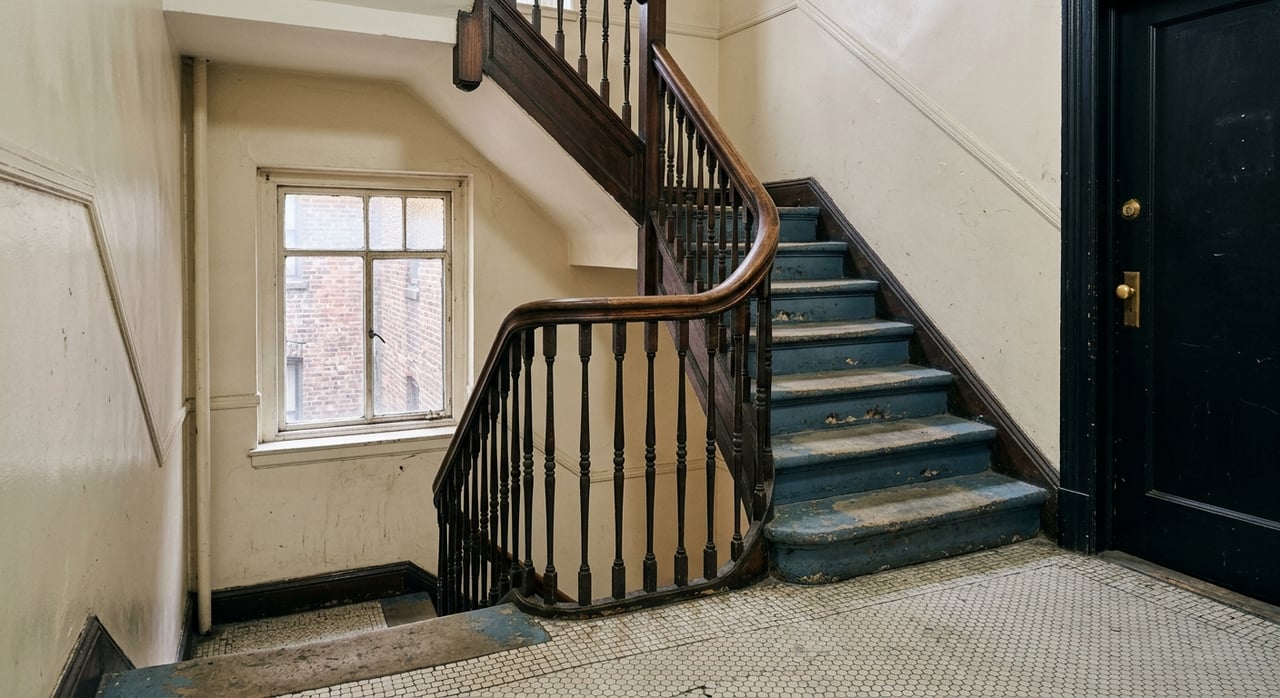
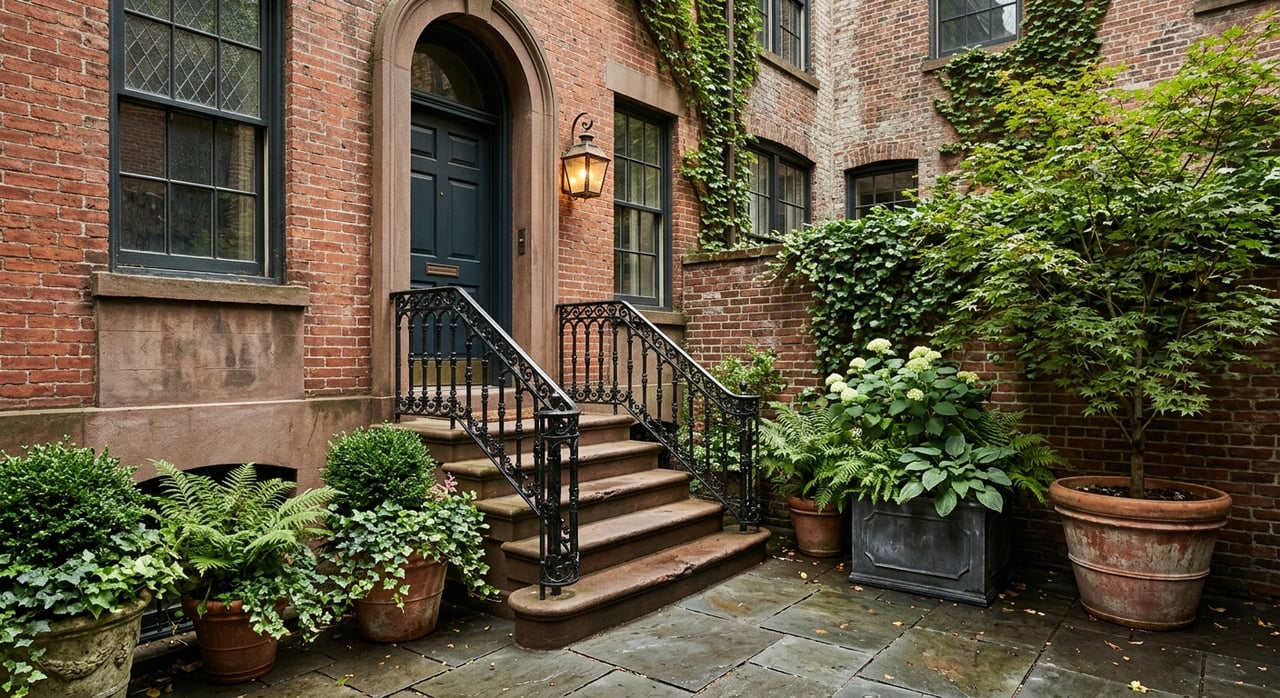
Housing near Central Park on the Upper West Side is strongly shaped by historic preservation. Landmarks Preservation Commission materials describe a neighborhood of pre-war apartment houses, townhouses, and other notable buildings, with low, uniform building heights and a distinctly historic residential character.
If you are shopping here, that often means you will encounter classic Manhattan housing stock rather than a uniform run of new development. The look and feel of the streetscape is a major part of the appeal.
What layouts often feel like
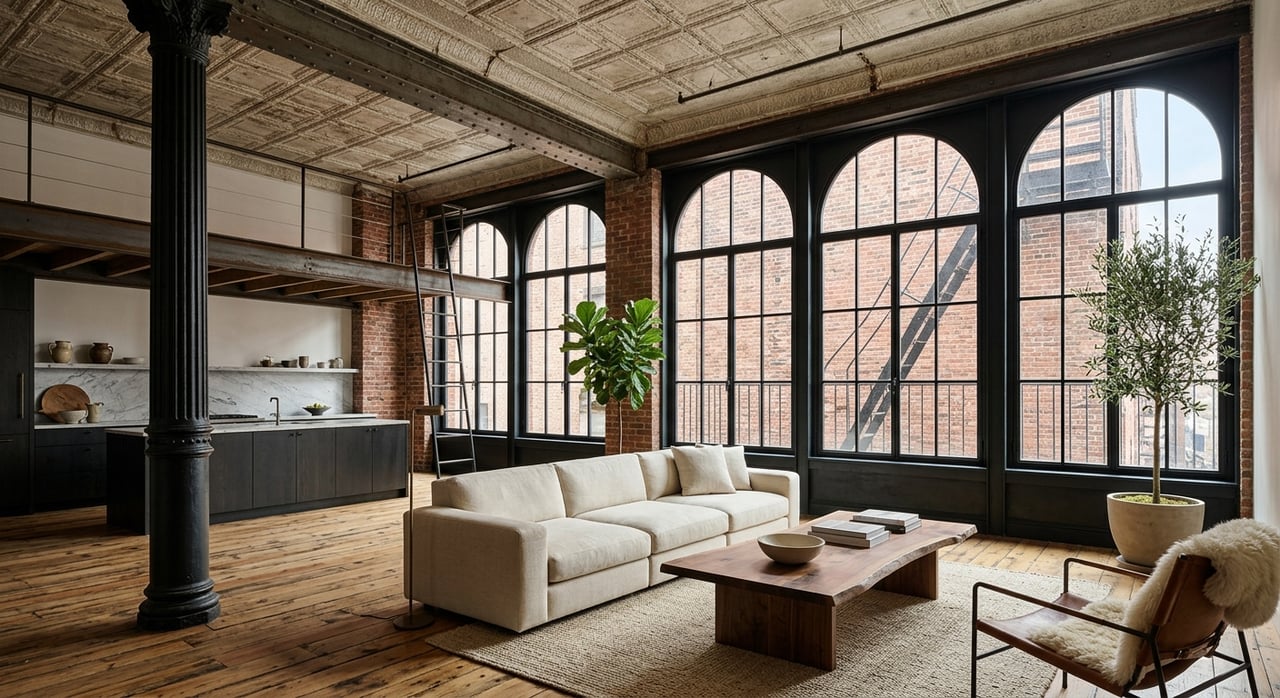
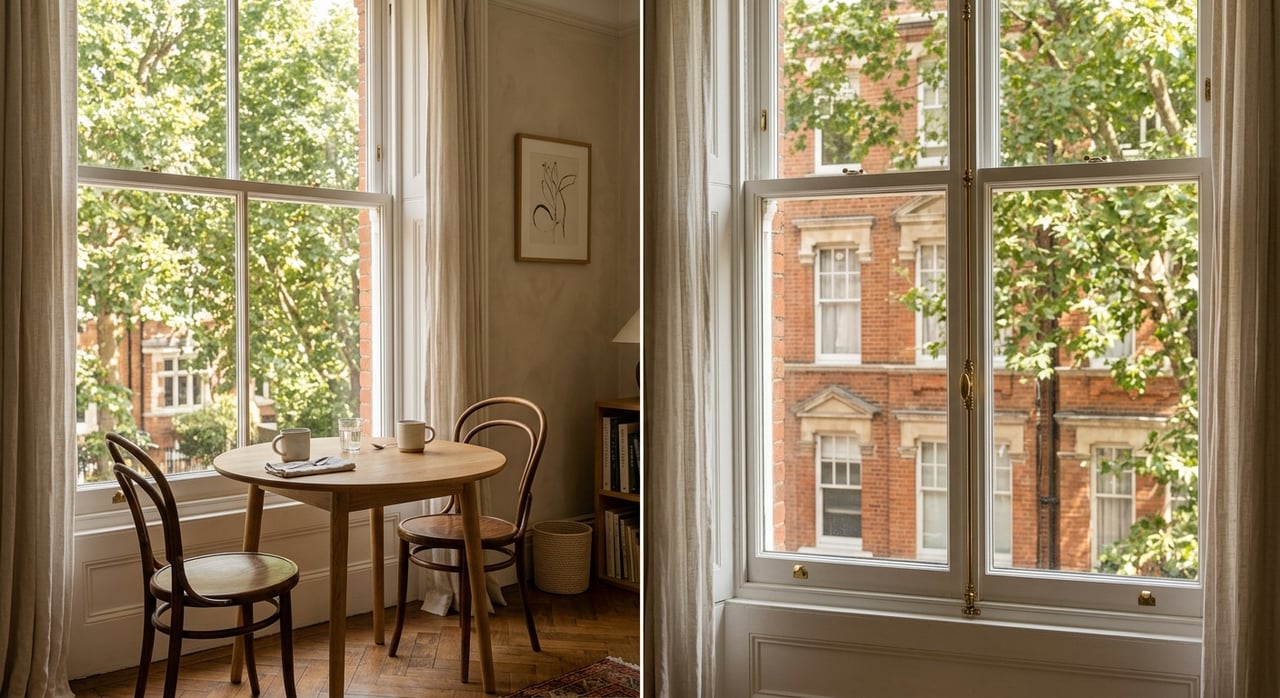
Because so much of the nearby housing stock is historic, interiors often reflect older Manhattan floor plans rather than newer loft-style layouts. That can mean more traditional room separation and a different sense of proportion than you might find in newer buildings downtown.
For some buyers, that is exactly the draw. Character, architectural detail, and a sense of permanence are often central to the appeal of this area.
Why pricing can carry a premium
Homes near the park, especially those with stronger frontage or views, often command a premium. The basic reason is limited supply. Park-adjacent and park-view homes are scarce, and the concentration of historic housing near Central Park West adds to that sense of rarity.
That does not mean every home near the park fits the same budget or buyer profile. It does mean location, building character, and access can play an outsized role in value here.
Who this lifestyle fits best
Life near Central Park on the Upper West Side tends to appeal to buyers and renters who want access first. Access to green space, access to culture, access to transit, and access to classic Manhattan housing stock all shape the experience.
If you want a neighborhood that feels established, walkable, and residential while still being fully plugged into Manhattan, this area checks many boxes. The tradeoff is that you are often choosing character and location over brand-new building style.
What to keep in mind when searching
When you start your search, it helps to focus on the details that matter most to your routine:
- How often you expect to use Central Park
- Whether you want quick subway access on the west side corridor
- If you prefer classic pre-war character or a more updated interior feel
- How close you want to be to museums, Lincoln Center, or specific playgrounds
- Whether park frontage or views are a priority in your budget
Those preferences can narrow your search quickly. On the Upper West Side, a few blocks can make a meaningful difference in feel, housing stock, and daily convenience.
If you are thinking about buying, selling, or renting near Central Park on the Upper West Side, working with a team that understands Manhattan block by block can make the process much clearer. For tailored neighborhood guidance, pricing insight, or a free home valuation, connect with Miller Schackman.
FAQs
What is the Upper West Side area near Central Park?
- Manhattan Community Board 7 defines the Upper West Side as the area from 59th to 110th Streets between Central Park and the Hudson River.
What is daily life like near Central Park on the Upper West Side?
- Daily life often centers on walking, park access, neighborhood errands, and nearby cultural destinations, with most commercial activity concentrated along Broadway, Amsterdam Avenue, and Columbus Avenue.
What transit serves Central Park on the Upper West Side?
- The west side of Central Park is served by the 1, 2, 3, B, and C lines, with additional access nearby at 59th Street-Columbus Circle and West 66th Street.
What playgrounds are near Central Park on the Upper West Side?
- West-side Central Park playgrounds include Adventure Playground, Heckscher Playground, West 85th Street Playground, Safari Playground, and Rudin Family Playground.
What kinds of homes are common near Central Park on the Upper West Side?
- Buyers often find pre-war apartment houses, townhouses, and other historic residential buildings with classic Manhattan layouts and a distinct historic character.
Why do homes near Central Park on the Upper West Side often cost more?
- Park-adjacent and park-view homes usually command a premium because frontage and views are limited, and the housing stock near Central Park West is relatively scarce and distinctive.