Looking for a Manhattan neighborhood that feels just as alive on a Saturday morning as it does after dinner? The Lower East Side stands out because your weekend can shift from market browsing to museum visits, riverside walks, and evening dining without needing much more than comfortable shoes. If you are thinking about living here, understanding the rhythm of the neighborhood can help you decide whether it fits the way you want to spend your time. Let’s dive in.
Why weekends feel different here
The Lower East Side is not simply a place people visit for a night out. Community Board 3 describes it as a district shaped by diverse cultures, religions, incomes, and languages, with a long history as a first stop for many immigrants. That history still shows up in the streetscape, the institutions, and the everyday energy of the area.
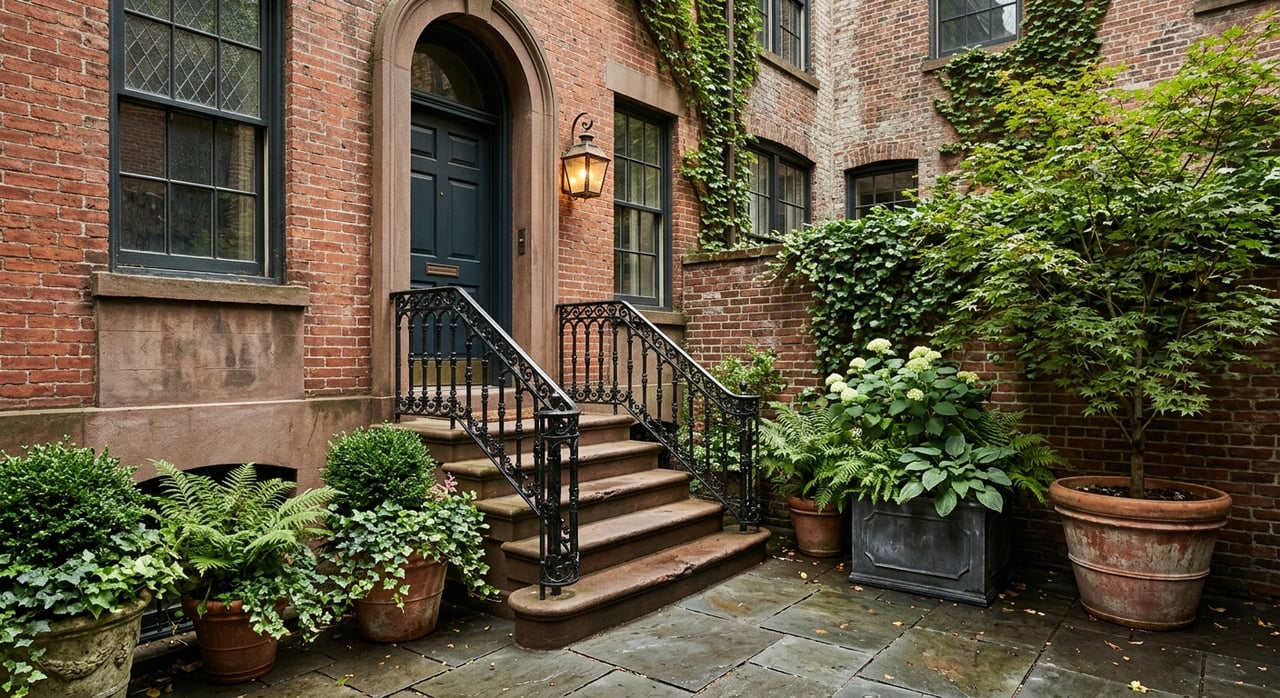
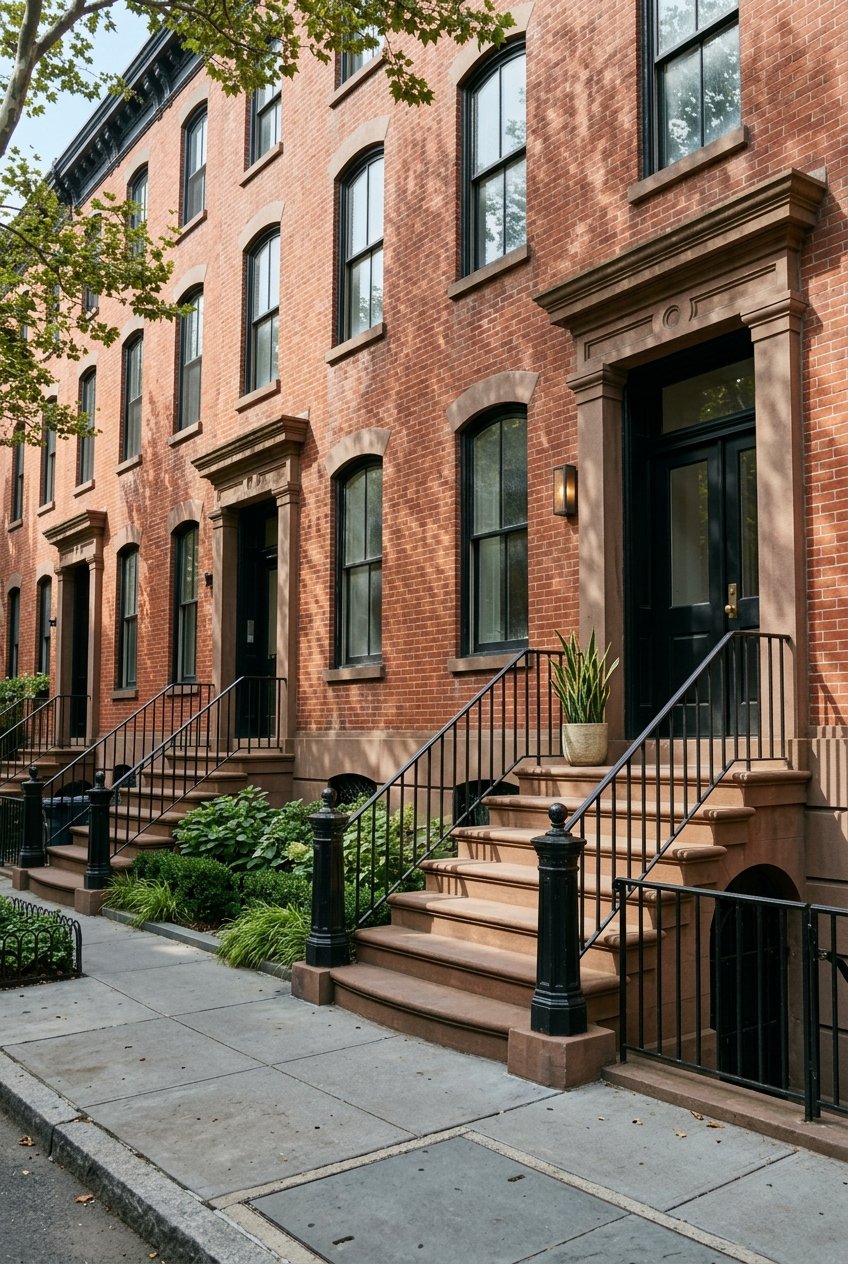
City Planning also points to the neighborhood's mix of housing, including high-rise condos, apartment towers, brownstones, tenements, and publicly assisted housing. That variety matters because it gives the neighborhood a lived-in feel. On weekends, you are experiencing a real residential district, not a staged lifestyle zone.
Essex Market anchors the day
For many people, weekend living on the Lower East Side starts with Essex Market. According to the Lower East Side Partnership, the market has been part of the neighborhood since 1818 and now offers fresh food, prepared dishes, and a range of vendors at Essex Crossing. It also supports community-focused programming like cooking demonstrations and a 24/7 community fridge.
That kind of anchor changes how a neighborhood feels. Instead of planning your whole day around one reservation or one destination, you can build a more flexible weekend around errands, casual meals, and spontaneous stops. A quick market run can easily turn into lunch, people-watching, and a longer walk through the neighborhood.
Open Streets adds weekend energy
The Lower East Side Partnership's seasonal Open Streets program adds another layer to weekend life. Orchard and Broome Streets between Delancey and Grand become more pedestrian-oriented public space, with room for walking, cycling, and community activity. The program typically runs from April through November, with Friday through Sunday hours extending from daytime into the evening.
For residents, this helps create a compact weekend loop. You can move from Essex Market to nearby dining and shopping corridors with less focus on traffic and more focus on street life. It is one of the clearest reasons the neighborhood often feels active in a very local, block-by-block way.
History is part of the everyday view
One of the most distinctive things about the Lower East Side is how historic it feels without feeling frozen in time. The East Village / Lower East Side Historic District, designated in 2012, covers about 325 buildings. That preserved fabric helps explain why the neighborhood has such a strong old-and-new visual mix.
You see that layering in more than landmarked facades. It also shapes the pace and feel of a weekend walk, where older buildings, busy storefronts, and newer projects all sit close together. If you want a neighborhood with visible continuity and character, the Lower East Side offers that in a very tangible way.
Museums and culture fill the afternoon
Weekend living here is not only about food and nightlife. The Lower East Side Partnership highlights the area's cultural landmarks and points visitors and residents toward museums, galleries, and arts organizations. That includes well-known institutions like the Tenement Museum, the Museum at Eldridge Street, and the International Center of Photography.
The Tenement Museum uses 97 and 103 Orchard Street to tell immigration and migration stories through restored buildings and neighborhood tours. The Museum at Eldridge Street is a restored 1887 synagogue and National Historic Landmark that offers public tours Sunday through Friday. Nearby, the New Museum on the Bowery adds a contemporary art presence that keeps the area visually and culturally current.
This mix is important if you are evaluating lifestyle as part of a home search. Some neighborhoods offer convenience, and others offer identity. The Lower East Side gives you both, which is a big part of why people connect with it so strongly.
Evenings stay active without feeling separate
In some neighborhoods, daytime life and nightlife feel disconnected. On the Lower East Side, they are woven together along the same merchant corridors. The Open Streets program notes that crowds are met by dining and drinking options along the way, which helps explain the area's steady transition from afternoon activity into evening energy.
That can be a real plus if you want your neighborhood to feel lively after dark. It also means you should expect activity, foot traffic, and late-night momentum in certain pockets. If your ideal weekend includes stepping out for a casual dinner, meeting friends nearby, or simply being around a lot of city life, that is part of the appeal.
The waterfront is improving, not finished
The East River edge adds another dimension to weekend living, but it is important to understand where things stand today. The city says the East Side Coastal Resiliency project is building a 2.4-mile flood-protection system from Montgomery Street to East 25th Street. It is designed to improve waterfront open spaces and access while protecting about 110,000 New Yorkers from coastal flooding, with construction expected to continue through 2026.
That means the waterfront is usable, but it is not static. The current city access plan says many East River Park amenities south of the Williamsburg Bridge are open, including new access points at Pier 42 and Corlears Hook Park. Several northern areas remain closed during Phase 2, while major new sections of rebuilt East River Park opened in May 2025 with basketball and tennis courts, picnic and BBQ areas, and new plantings.
For you as a buyer or renter, the best way to think about the waterfront is as an improving amenity. It already adds value to weekend life, but the full experience is still taking shape. That nuance matters when you compare blocks closer to the river with those farther inland.
Walkability is a major draw
A big part of Lower East Side living is how much you can do within a few blocks. The research points to dense amenities, strong cultural identity, and transit access as major reasons the area appeals to early-stage buyers and renters. If you want a car-light lifestyle, this neighborhood can support that very well.
The MTA notes that several subway lines serve the Lower East Side, including the B, D, F, J, M, V, and Z. At the same time, some eastern parts of the neighborhood are farther from stations than in other Manhattan locations. In practical terms, your experience can vary significantly depending on your exact address.
That is why block-level guidance matters so much here. A home that looks similar on paper may feel very different based on how close it is to market activity, nightlife corridors, or your most-used train access point.
What to expect if you live here
Weekend living on the Lower East Side is usually best for people who want energy, convenience, and a strong sense of place. The neighborhood supports a lifestyle built around walking, dining, culture, and flexible plans. You are not relying on one attraction because the appeal comes from how many different things can fit into one day.
It is also worth being realistic about the tradeoffs. The same features that make the area exciting can also mean crowds, late-night activity, and visible construction or access changes near the waterfront. If you want a low-activity setting, this may not be the right fit. If you want a neighborhood that feels engaged, layered, and unmistakably Manhattan, it can be a compelling option.
Why this matters in a home search
When you buy or rent in Manhattan, you are not just choosing square footage. You are choosing your daily patterns, your weekend options, and the pace of life around your building. On the Lower East Side, those patterns are shaped by market culture, historic streets, arts institutions, and an evolving waterfront.
That is why lifestyle-focused neighborhood guidance is so valuable. The right apartment in the wrong pocket can feel off, while the right block can make your weekends easier, fuller, and more enjoyable. If you are weighing the Lower East Side against other Manhattan neighborhoods, looking closely at how you actually want to spend your time can bring the decision into focus.
If you are exploring a move, buying your first Manhattan home, or thinking about when to sell, working with a team that understands neighborhood texture can make a real difference. Miller Schackman brings local Manhattan insight, practical guidance, and a consultative approach to help you navigate what fits your goals.
FAQs
What is weekend life like on the Lower East Side?
- Weekend life on the Lower East Side typically blends market visits, casual dining, walking, cultural stops, and evening activity, all within a compact and highly walkable area.
Does the Lower East Side feel historic today?
- Yes. The neighborhood still reflects its immigrant history through landmarked streets, preserved buildings, and cultural institutions like the Tenement Museum and the Museum at Eldridge Street.
Is the Lower East Side waterfront open right now?
- Yes, many waterfront amenities are open, especially south of the Williamsburg Bridge, but some northern sections remain closed during East Side Coastal Resiliency construction.
Is the Lower East Side more active during the day or at night?
- Both. Essex Market and museums support daytime activity, while Open Streets, dining, and nightlife keep many areas active into the evening.
Is the Lower East Side good for car-light living?
- In many cases, yes. Several subway lines serve the neighborhood, though transit convenience can vary depending on how far east your block is.
What kind of housing is found on the Lower East Side?
- The area includes a wide range of housing types, including high-rise condos, apartment towers, brownstones, tenements, and publicly assisted housing.