Looking for more space in Manhattan without giving up character? A classic six co-op on the Upper West Side can offer exactly that, but it also comes with a buying process that is different from purchasing a newer condo or even another type of co-op. If you are considering this move, it helps to understand not just the layout, but also the buildings, the boards, and the market that shape the experience. Let’s dive in.
What Is a Classic Six?
A classic six is a prewar apartment with six principal rooms: a living room, formal dining room, kitchen, two bedrooms, and a smaller room off the kitchen that historically served as a maid’s room. In New York City, “prewar” generally refers to buildings constructed before World War II, roughly from 1900 to 1939, according to StreetEasy’s guide to apartment types.
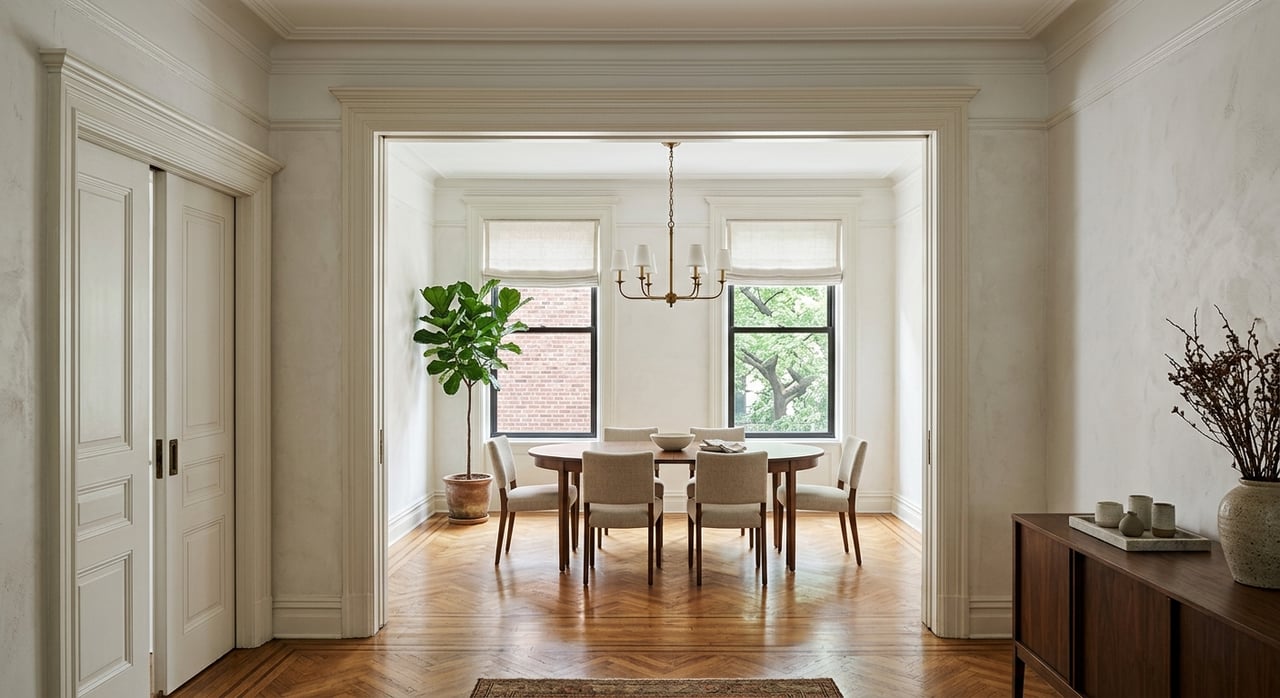
These homes are often known for features that many buyers still value today, including high ceilings, plaster moldings, oak floors, thick walls, large windows, and in some cases a working fireplace. They also typically include at least two bathrooms, along with closets and pantries that are not counted in the room total.
Why Buyers Love the Layout
The appeal of a classic six is not just charm. It is also about how the home functions. As Brick Underground explains, these apartments usually separate public, private, and service areas instead of using one large open-plan layout.
For you, that can mean more flexibility in daily life. A formal dining room can stay a dining room, or it may serve as a den, library, or work-from-home zone depending on the building rules and the apartment’s setup. The smaller room off the kitchen may also provide useful extra space for guests, storage, or household needs, though the overall layout can feel more compartmentalized than newer construction.
Why the Upper West Side Defines the Classic Six
The Upper West Side is especially tied to the classic six because of its architecture and development history. The neighborhood stretches roughly from 59th Street to 110th Street between Central Park and the Hudson River, and the Landmarks Preservation Commission notes that after late 19th-century transit improvements, it became one of Manhattan’s most important centers for apartment-house construction.
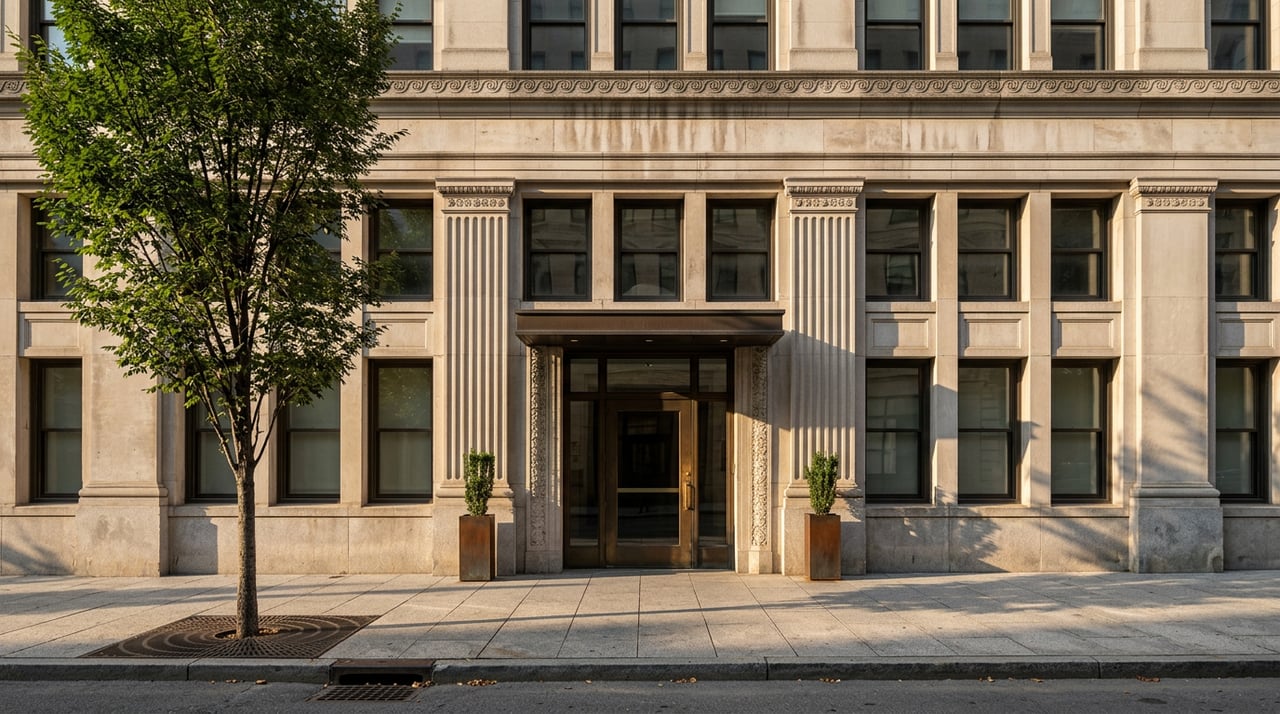
That legacy still shapes the housing stock today. The area contains the city’s highest concentration of fine turn-of-the-century apartment buildings, especially in Beaux-Arts, Italian Renaissance, and neo-Gothic styles. Those buildings are a major reason classic sixes are so strongly associated with the Upper West Side.
The neighborhood also continues to appeal to buyers who want space and convenience. StreetEasy’s Upper West Side neighborhood overview describes it as one of the greenest spots in Manhattan and notes that most homes are in large prewar apartment buildings. Current Redfin neighborhood data shows a 98 Walk Score and 100 Transit Score, reinforcing why many buyers look here when they want room to grow without leaving Manhattan.
What You Are Really Buying
When you buy a classic six co-op, you are not just buying square footage or a third bedroom equivalent. You are often buying prewar scale, formal room separation, and a place in a building with a long operating history.
That is why two apartments with the same room count can feel very different in value. Ceiling height, window exposure, maintenance costs, renovation condition, and the overall financial and physical health of the co-op building all affect whether a specific apartment is a smart fit.
Understand How Co-op Ownership Works
In a co-op, you are buying shares in the corporation that owns the building, and you receive a proprietary lease for the apartment. The New York State Attorney General explains that maintenance is based on the number of shares allocated to your unit.
For Upper West Side classic six buyers, this matters because the apartment is only part of the decision. The board, the building’s financial position, and the co-op’s rules can all shape your ownership experience just as much as the layout itself.
Be Ready for the Board Process
If you are serious about buying a co-op, preparation matters. Brick Underground’s co-op application overview notes that boards commonly request a financial statement, two years of tax returns, bank and investment statements, personal and professional reference letters, and a board interview.
Financial standards can also be strict. Brick Underground reports that boards often want to see six months to two years of maintenance and liquidity after closing, and StreetEasy reports that many co-ops look for a debt-to-income ratio around 25% to 30%, with stricter buildings closer to 20%.
This is one reason classic six searches benefit from a strategy, not just a wish list. You want to know early whether a building’s expectations match your finances, timing, and long-term plans.
Look Beyond the Apartment
Older Upper West Side co-ops deserve careful due diligence. The New York State Attorney General’s guidance for co-op and condo buyers advises reviewing the offering plan and inspecting the condition of the facade, roof, elevators, HVAC, plumbing, and electrical systems.
That advice is especially relevant in prewar buildings, where major systems can have a big effect on future costs. The same source notes that some of the most expensive issues involve facade, roof, elevator, plumbing, boiler, and electrical work. If a classic six looks perfect inside but the building has major deferred maintenance, that can change the true cost of ownership.
Do Not Assume Full-Service Living
Many buyers picture classic sixes in elegant full-service buildings, and some are. You will find examples in buildings with a full-time doorman and live-in superintendent. But the term “classic six” does not automatically describe staffing or amenities.
In practice, service levels vary widely. Some buildings offer more modest setups, such as a superintendent, laundry, storage, and bike rooms, as reflected in market examples like this Upper West Side listing context from Brownstoner. When comparing options, treat room count and building services as two separate decisions.
Upper West Side Market Benchmarks
If you are trying to understand where a classic six fits in the market, recent Upper West Side data gives useful context. According to the Compass Manhattan Q4 2025 report, the Upper West Side had 541 sales and 1,033 active listings, with a median sale price of $1.395 million and a median co-op price of $930,000 overall.
That same report shows a median price of $1.415775 million for 2-bedroom Upper West Side co-ops and $2.0 million for 3-bedroom co-ops in Q4 2025. Since many classic six layouts sit between standard 2-bedroom and larger family-style co-op demand, this helps explain why they can command a premium when the light, scale, condition, and building all line up.
More recent Redfin data from February 2026 puts the Upper West Side median sale price at $1,422,500, with homes averaging 72 days on market and selling at 99.6% of list price. For buyers, that suggests an active market, but not necessarily one where you have to rush past important questions about maintenance, renovation needs, or building quality.
How to Evaluate a Classic Six Smartly
When you tour classic six co-ops on the Upper West Side, focus on both the apartment and the building. A beautiful prewar foyer and original moldings can be compelling, but they should not distract from the bigger picture.
Here are a few practical areas to compare:
- Layout function: Does the room separation work for how you live today?
- Light and exposure: Do the main rooms and bedrooms get the natural light you want?
- Renovation level: Is the apartment move-in ready, lightly updated, or ready for major work?
- Maintenance: Does the monthly cost align with your budget and the building’s service level?
- Building systems: Are facade, elevator, plumbing, and electrical conditions well maintained?
- Board standards: Are the financial requirements realistic for your situation?
- Services and staffing: Does the building offer the level of support you expect?
A classic six can be a long-term home, but the right one is usually the apartment that balances charm with practicality.
Why Guidance Matters in This Search
Buying a classic six on the Upper West Side often involves more moving parts than a simple online search can show you. You may be weighing prewar details against renovation costs, balancing room count against monthly maintenance, and trying to understand whether a building’s board culture fits your profile.
That is where local, Manhattan-specific guidance can make a real difference. A thoughtful buying process can help you compare opportunities clearly, prepare for board expectations, and move forward with confidence when the right apartment appears.
If you are exploring classic six co-ops on the Upper West Side, Miller Schackman can help you evaluate layouts, buildings, and market context with a practical, consultative approach.
FAQs
What is a classic six co-op on the Upper West Side?
- A classic six co-op is typically a prewar apartment with six main rooms: a living room, formal dining room, kitchen, two bedrooms, and a smaller room off the kitchen, often in a co-op building on the Upper West Side.
Why are classic six apartments common on the Upper West Side?
- The Upper West Side has a large concentration of turn-of-the-century apartment buildings, which is why classic six layouts are closely associated with the neighborhood.
How does co-op ownership work for an Upper West Side apartment?
- In a co-op, you buy shares in the corporation that owns the building and receive a proprietary lease, rather than owning the apartment as real property.
What financials do co-op boards usually want from Upper West Side buyers?
- Boards commonly ask for tax returns, financial statements, bank and investment records, reference letters, and often want to see post-closing liquidity and a conservative debt-to-income ratio.
What should you inspect before buying a prewar classic six co-op?
- You should review the building’s offering plan and look closely at the condition of the facade, roof, elevators, HVAC, plumbing, and electrical systems.
Are all Upper West Side classic six buildings full-service?
- No. Some classic sixes are in full-service buildings, while others offer more limited staffing and amenities, so service level should be evaluated separately from the layout itself.