If you want a Manhattan neighborhood with more open sky, more riverfront space, and a calmer daily rhythm than many downtown areas, Battery Park City stands out fast. You still get the convenience of Lower Manhattan, but the setting feels shaped by parks, pathways, and waterfront views in a way that is hard to miss. For buyers, renters, and sellers alike, understanding that mix is key to knowing whether the neighborhood is the right fit. Let’s dive in.
Battery Park City at a glance
Battery Park City is a 92-acre planned neighborhood on Manhattan’s Lower West Side, built on reclaimed land and managed by the Battery Park City Authority. According to the Battery Park City Authority timeline, the 1979 master plan was designed to extend the city grid rather than create a completely separate enclave.
That planning still shapes daily life today. BPCA says the neighborhood has more than 16,000 residents, 30 residential buildings, and about 36 acres of open public space. In practical terms, that means you get a distinctly residential feel while remaining closely tied to the rest of downtown Manhattan.
The feel is quieter than you might expect
One of the first things many people notice about Battery Park City is how orderly and open it feels compared with other parts of Lower Manhattan. The waterfront edges, landscaped parks, and concentrated retail areas create a neighborhood rhythm that feels calmer and more structured than a typical dense city grid.
That does not mean it feels isolated. Instead, it often feels like a part of Manhattan where you can step out for a walk, sit by the water, or move through your day with a little more breathing room while still being near major business, transit, and dining hubs.
Waterfront living shapes daily life
The waterfront is not just a backdrop here. It is a central part of how the neighborhood functions.
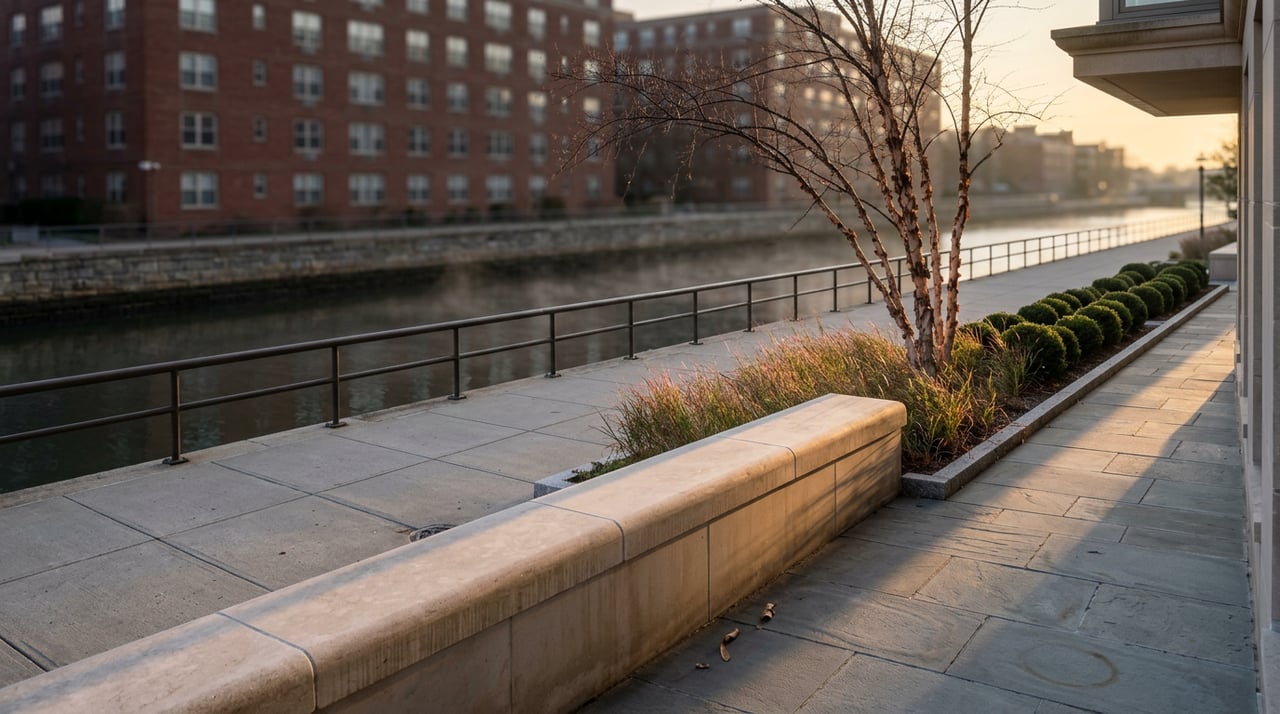
According to BPCA’s parks overview, the Esplanade runs the full length of Battery Park City, from Stuyvesant High School to Historic Battery Park, with views of the Hudson River, New York Harbor, the Statue of Liberty, Ellis Island, and the New Jersey shoreline. If you value walking paths, water views, and outdoor access, this becomes a major part of your everyday experience.
Several public spaces help define the neighborhood:
- Rockefeller Park with lawns, playgrounds, gardens, public art, and a sheltered pavilion
- Teardrop Park with a slide, sandboxes, water play, a reading area, and rock seating
- South Cove as a waterfront art landscape
- Belvedere Plaza as a public gathering space
- Wagner Park as a major waterfront destination
BPCA also notes that Battery Park City has a world-renowned public art collection, and its parks and plazas host concerts, seasonal events, and community programming. That gives the neighborhood a public-life component that feels active without always feeling crowded.
Parks are a real neighborhood amenity
In many Manhattan neighborhoods, green space is something you travel to. In Battery Park City, it is woven into the neighborhood itself.
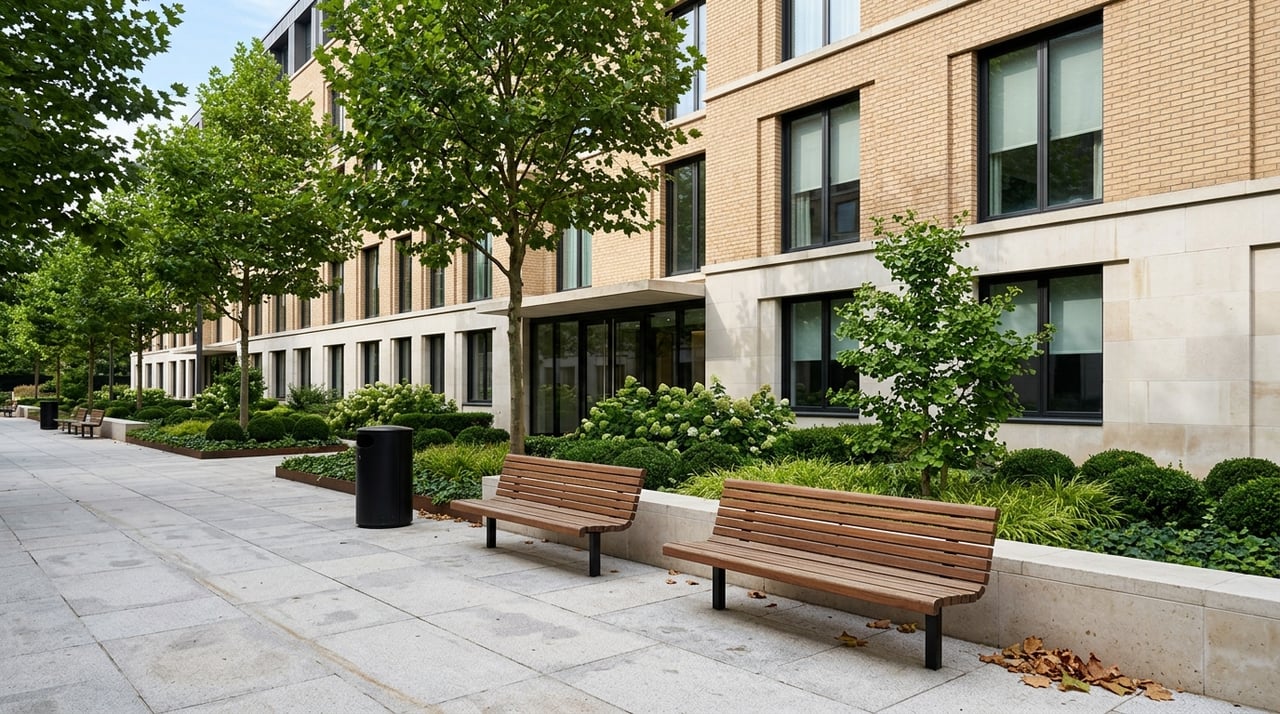
That difference matters when you think about daily routines. You may be able to walk the dog, meet friends outside, take children to a playground, or get in a waterfront stroll without treating it like a special outing. BPCA’s ongoing maintenance of lawns and dog runs reinforces that park-first identity and helps keep outdoor space central to life here.
It is also worth knowing that some waterfront areas have been affected by resiliency work. BPCA says these projects are meant to protect the neighborhood from more severe storms, and Wagner Park reopened on July 29, 2025, which is a useful sign of how the area continues to evolve while maintaining public access.
Brookfield Place is the daily convenience hub
For shopping, dining, and practical errands, Brookfield Place is the neighborhood’s main anchor. Its official FAQ says the complex includes over 30 eateries, retail, waterfront dining, public art, live events, and wellness experiences, and that the Winter Garden is open 24/7.
For many residents, this is more than a destination. It functions as a daily-use hub with free Wi-Fi, parking, rideshare pickup, and indoor connections to the World Trade Center and Fulton transit hubs. That kind of convenience can make a meaningful difference if you want a neighborhood that feels residential but still gives you easy access to downtown infrastructure.
Located at 230 Vesey Street, Brookfield Place sits across West Street from the World Trade Center and overlooks the Hudson River. The same FAQ notes nearby subway access at World Trade Center/Cortlandt and Fulton Street, elevator-accessible PATH service at WTC, and ferry service to Edgewater, Hoboken, Paulus Hook, and Port Imperial/Weehawken from the Brookfield Place Ferry Terminal.
Getting around is easier than the calm setting suggests
Battery Park City can feel tucked away in a good way, but it stays highly connected. That combination is one of its biggest strengths.
You can access Lower Manhattan offices, transit hubs, and regional connections without giving up a quieter residential setting. If your routine includes commuting within Manhattan, heading to New Jersey, or simply wanting multiple transit options nearby, Battery Park City offers more flexibility than its peaceful waterfront environment might suggest at first glance.
Housing is mostly condos and apartments
From a housing perspective, Battery Park City is defined more by planned residential buildings than by traditional townhouses or small walk-up stock. BPCA’s building directory includes apartment and condo towers, along with green-certified properties such as The Verdesian and Millennium Tower Residences.
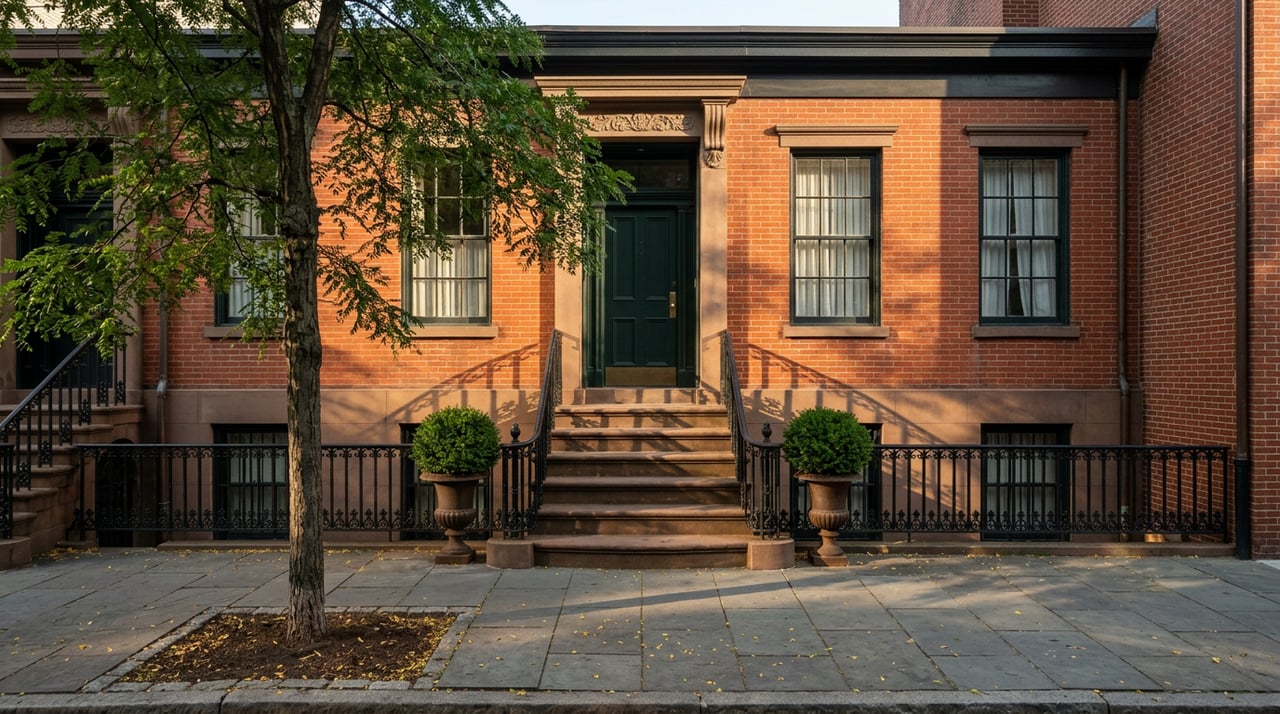
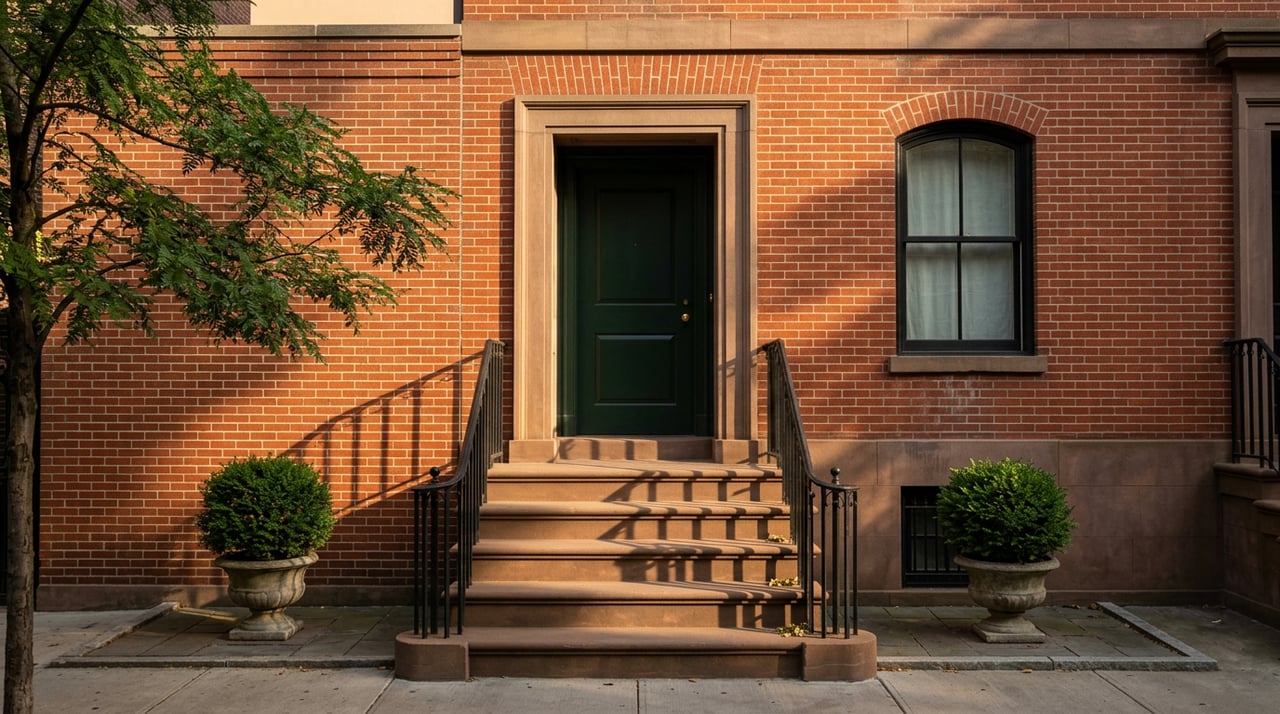
That means your options here are generally more likely to be in larger residential complexes with full-service or amenity-driven setups rather than in older low-rise housing. For some buyers and renters, that consistency is a plus. For others, it is an important style difference to weigh against neighborhoods with more varied building types.
There is also some housing diversity within that structure. BPCA says Gateway Plaza is the oldest residential complex and includes rent protections for hundreds of apartments, while roughly 300 units in the neighborhood are income-tested affordable apartments. BPCA also notes that upcoming ground-lease rent resets remain a concern for some buildings, which is a neighborhood-specific detail worth understanding if you are evaluating long-term ownership costs.
The neighborhood has a uniquely coordinated structure
Battery Park City does not operate exactly like many other Manhattan neighborhoods. BPCA owns the 92 acres of Battery Park City, and third-party buildings sit on ground sub-leases, according to a BPCA community announcement.
For you as a buyer or seller, that does not automatically make the neighborhood simpler or more complex, but it does make it distinct. It is one reason Battery Park City often feels more coordinated in terms of planning, public space, and maintenance than many other areas of Manhattan.
Battery Park City works well for many households
If you are looking for a neighborhood with built-in daily infrastructure, Battery Park City checks several important boxes. BPCA notes that the area includes residential buildings, parks, and community amenities that make the neighborhood feel more self-contained than many parts of Lower Manhattan while still remaining closely connected to downtown.
For example, Battery Park City School at 55 Battery Place serves PK-8, and P.S. 89 at 201 Warren Street serves PK-5. The Battery Park City Library is New York Public Library’s first green LEED-certified branch in Manhattan, and the Community Center at Stuyvesant High School offers recreation, sports, swimming, and fitness, with discounted membership for residents.
These kinds of amenities can make everyday logistics feel easier. Whether you are thinking about outdoor routines, library access, recreation, or simply having more neighborhood-based resources close to home, Battery Park City offers a practical setup that many buyers and renters value.
Who tends to like living here
Battery Park City often appeals to people who want Lower Manhattan access without a constant high-intensity street feel. You may find it especially attractive if you value:
- Waterfront paths and open views
- Planned green space near home
- Condo and apartment living
- Access to downtown transit connections
- A neighborhood with a more organized, residential atmosphere
- Nearby dining and retail without living directly on a hectic commercial corridor
That said, every Manhattan neighborhood involves tradeoffs. If you are comparing Battery Park City with Tribeca, the Financial District, or other downtown areas, your decision may come down to how much you prioritize parks, building style, and overall pace.
What buyers and sellers should keep in mind
If you are buying in Battery Park City, it helps to look beyond finishes and views alone. Building structure, ground-lease considerations, amenity packages, and exact proximity to parks or Brookfield Place can all influence how a home feels and performs over time.
If you are selling, neighborhood positioning matters just as much. A successful strategy should highlight what makes Battery Park City distinct, especially the waterfront setting, open-space access, planned environment, and connectivity to the rest of downtown Manhattan.
That is where local guidance can make a real difference. Battery Park City is not interchangeable with the rest of Lower Manhattan, and buyers usually respond best when the neighborhood story is presented clearly and accurately.
If you are thinking about buying, selling, or renting in Battery Park City, Miller Schackman can help you evaluate the neighborhood, understand your options, and make a confident move in the Manhattan market.
FAQs
What is daily life like in Battery Park City?
- Daily life in Battery Park City often feels calmer than in many downtown Manhattan neighborhoods because of its waterfront location, planned layout, and large amount of park space.
What types of homes are common in Battery Park City?
- Battery Park City housing is mostly made up of apartment and condo buildings, including larger planned residential complexes and some green-certified properties.
What parks and outdoor spaces are in Battery Park City?
- Battery Park City includes the Esplanade, Rockefeller Park, Teardrop Park, South Cove, Belvedere Plaza, and Wagner Park, all of which help define the neighborhood’s outdoor lifestyle.
What shopping and dining options are in Battery Park City?
- Brookfield Place is the area’s main retail and dining hub, with over 30 eateries, shops, events, waterfront dining, and practical conveniences for everyday use.
How do you get around from Battery Park City?
- Battery Park City offers access to nearby subway stations, elevator-accessible PATH service at WTC, and ferry routes from Brookfield Place to several New Jersey destinations.
What community amenities are available in Battery Park City?
- Battery Park City offers neighborhood resources including local public schools, the Battery Park City Library, and the Community Center at Stuyvesant High School for recreation, sports, swimming, and fitness.
Why is Battery Park City different from other Manhattan neighborhoods?
- Battery Park City is distinct because it is a planned 92-acre neighborhood on reclaimed land with coordinated management, substantial public open space, and a strong waterfront identity.